Communication Skills for LVN: Why They Are Crucial for Career Success and Patient Care
Communication skills for LVN professionals. Learn why effective communication skills for LVNs are essential for job advancement, teamwork, patient safety, and documentation in the US healthcare system.
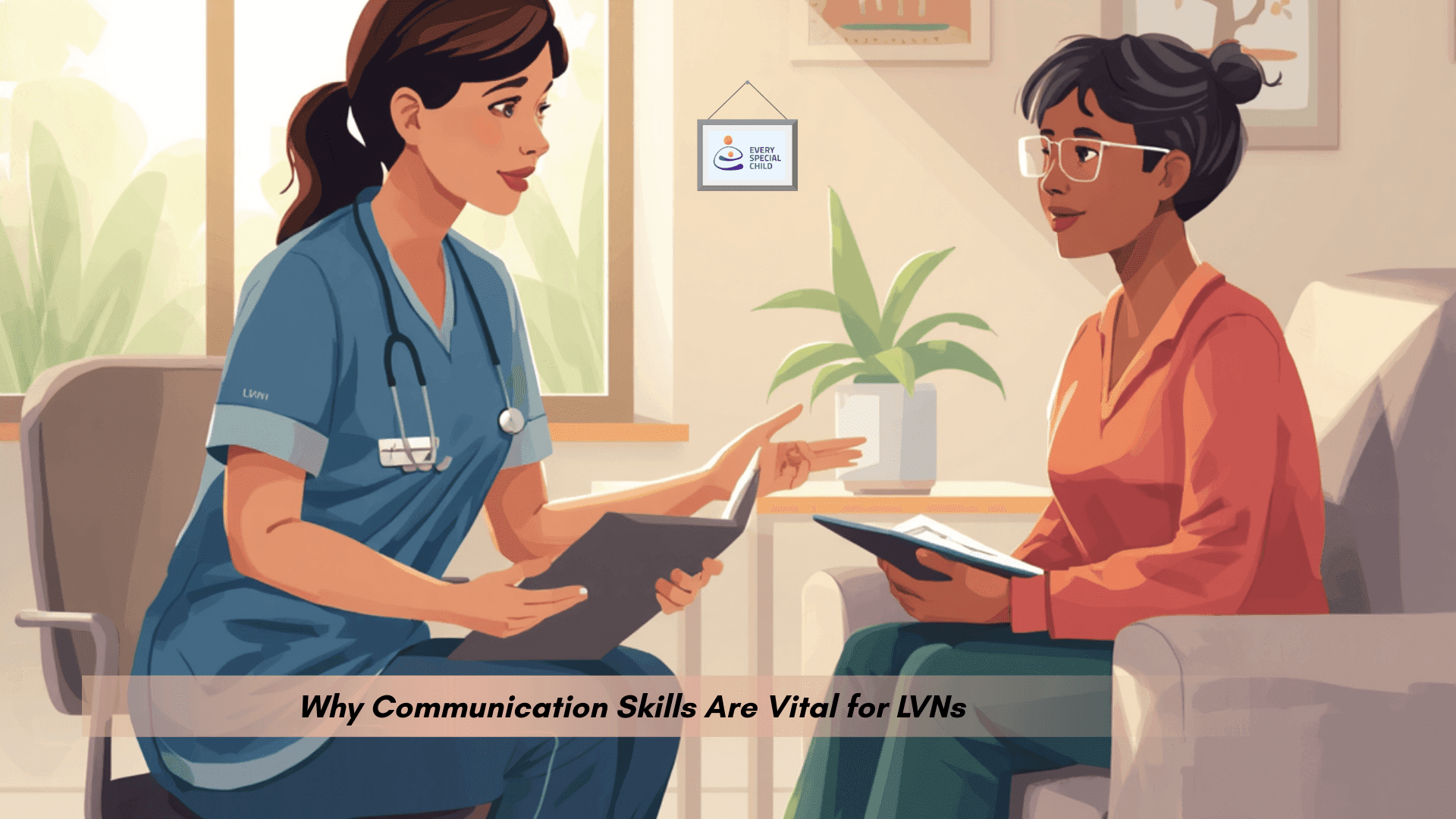
Communication skills for LVN professionals. Effective communication has a direct impact on patient safety, care quality, and workplace productivity for LVN workers. This guide discusses why effective communication skills for LVNs are one of the most important abilities that every LVN has to have, as well as how they affect daily tasks, collaboration, and long-term professional success.
Ever noticed how a simple conversation can make or break someone’s day? In healthcare, it can even save a life. For Licensed Vocational Nurses, communication goes far beyond speaking—it’s about listening, understanding, documenting accurately, and building trust.
Quick Apply: Send Every Special Child an interest form to find out more about LVN openings and start your nursing career sooner than before. Apply Now.
Let’s explore why communication skills are the backbone of every successful LVN’s career.
What Is an LVN and Why Communication Matters
Under the guidance of doctors and registered nurses (RNs), a licensed vocational nurse (LVN) offers direct patient care. Daily responsibilities include:
- Monitoring vital signs
- Administering medications
- Maintaining patient records
- Supporting patients emotionally
- Communicating patient updates to the care team
Because LVNs interact constantly with patients, families, and healthcare professionals, Communication skills for LVN professionals are critical. Clear communication reduces medical errors, improves patient satisfaction, and ensures continuity of care. Read More Articles.
The Importance of Communication in Healthcare
Effective communication in healthcare ensures:
- Accurate transfer of patient information
- Clear understanding of care instructions
- Smooth coordination among healthcare teams
Poor communication can result in medication errors, delayed treatment, patient anxiety, and even legal consequences. For LVNs, strong communication acts as a bridge between patients, families, and medical staff.
Types of Communication Skills for LVN Professionals
1. Verbal Communication
LVNs explain procedures, report symptoms, and relay patient concerns. Clear, confident verbal communication ensures everyone understands what’s happening—and why.
2. Non-Verbal Communication
Body language, facial expressions, eye contact, and tone convey empathy and professionalism. Patients often respond as much to how something is said as to what is said.
3. Written and Digital Communication
LVNs document vital signs, medication administration, and patient changes using charts and electronic health records (EHRs). Accurate documentation protects patients and healthcare providers alike.
Building Trust with Patients Through Communication
Patients often feel vulnerable, anxious, or confused. LVNs build trust by:
- Practicing active listening
- Using empathetic language
- Asking open-ended questions
- Providing reassurance and clarity
Strong Communication skills for LVN professionals help patients feel heard, respected, and safe—leading to better cooperation and outcomes.
Enhancing Team Collaboration
Healthcare settings rely on teamwork. LVNs regularly communicate with:
- Registered Nurses
- Physicians
- Nursing assistants
- Therapists
Clear and timely communication prevents errors, reduces duplication of work, and ensures seamless patient care. Effective communicators are often seen as reliable, professional, and leadership-ready. See More
Communication and Patient Documentation
Accurate documentation is non-negotiable in nursing. LVNs must clearly record:
- Vital signs
- Medication dosages
- Patient symptoms
- Behavioral or condition changes
Strong written communication ensures continuity of care and legal protection. A common rule in healthcare applies here: If it isn’t documented, it didn’t happen.
Handling Difficult Conversations with Confidence
LVNs frequently face emotionally sensitive situations involving:
- Pain management
- Poor prognoses
- Family concerns or conflict
Handling these conversations requires empathy, calmness, honesty, and respect. Strong Communication skills for LVN professionals help patients and families process information without feeling overwhelmed.
Cultural Sensitivity in LVN Communication
Patients come from diverse cultural and linguistic backgrounds. LVNs must communicate with respect and awareness by:
- Avoiding assumptions
- Using simple, clear language
- Utilizing interpreters or translation tools when needed
Culturally sensitive communication builds trust and improves treatment compliance.
Using Technology to Strengthen Communication
Modern LVNs rely on technology such as:
- Electronic Health Records (EHRs)
- Secure messaging platforms
- Telehealth systems
When used correctly, technology improves accuracy and efficiency—allowing LVNs to spend more time engaging directly with patients.
Communication During Emergencies
In emergencies, communication must be:
- Clear
- Direct
- Calm
- Immediate
LVNs must quickly report symptoms, follow protocols, and coordinate with the medical team. Strong communication can make the difference between delay and lifesaving action.
Patient Education and Advocacy
LVNs educate patients on medications, treatments, and post-care instructions. Explaining medical information in plain language empowers patients and reduces confusion.
Effective Communication skills for LVN professionals turn nurses into advocates who help patients actively participate in their own care.
How LVNs Can Improve Communication Skills
Communication improves with practice and training. LVNs can strengthen skills by:
- Attending professional workshops
- Taking online communication courses
- Seeking mentorship
- Requesting feedback from supervisors
Like clinical skills, communication requires continuous improvement.
Common Communication Mistakes LVNs Should Avoid
Even experienced LVNs should watch out for these mistakes:
- Interrupting patients
- Using medical jargon
- Failing to confirm understanding
- Ignoring non-verbal cues
Avoiding these issues leads to better patient experiences and fewer errors.
FAQs:
- Why are communication skills essential for LVNs?
They ensure accurate patient care, reduce errors, and build trust with patients and healthcare teams. - How can LVNs improve their communication skills?
Through active listening, empathy, training programs, and ongoing feedback. - What happens if an LVN communicates poorly?
It can lead to treatment errors, patient dissatisfaction, and workplace conflict. - How does technology support LVN communication?
EHRs and digital tools improve accuracy, speed, and coordination of care. - What is the golden rule of communication for LVNs?
Always listen first—understanding comes before responding.
Final Takeaway
Strong Communication skills for LVN professionals are just as important as clinical knowledge. From patient care and documentation to teamwork and emergencies, effective communication shapes every aspect of an LVN’s role. Mastering these skills not only improves patient outcomes—it also strengthens confidence, career growth, and professional success in U.S. healthcare.
Quick Apply: Submit your interest with Every Special Child to explore LVN roles and start your nursing journey faster than ever. Apply Now.
Comments (…)