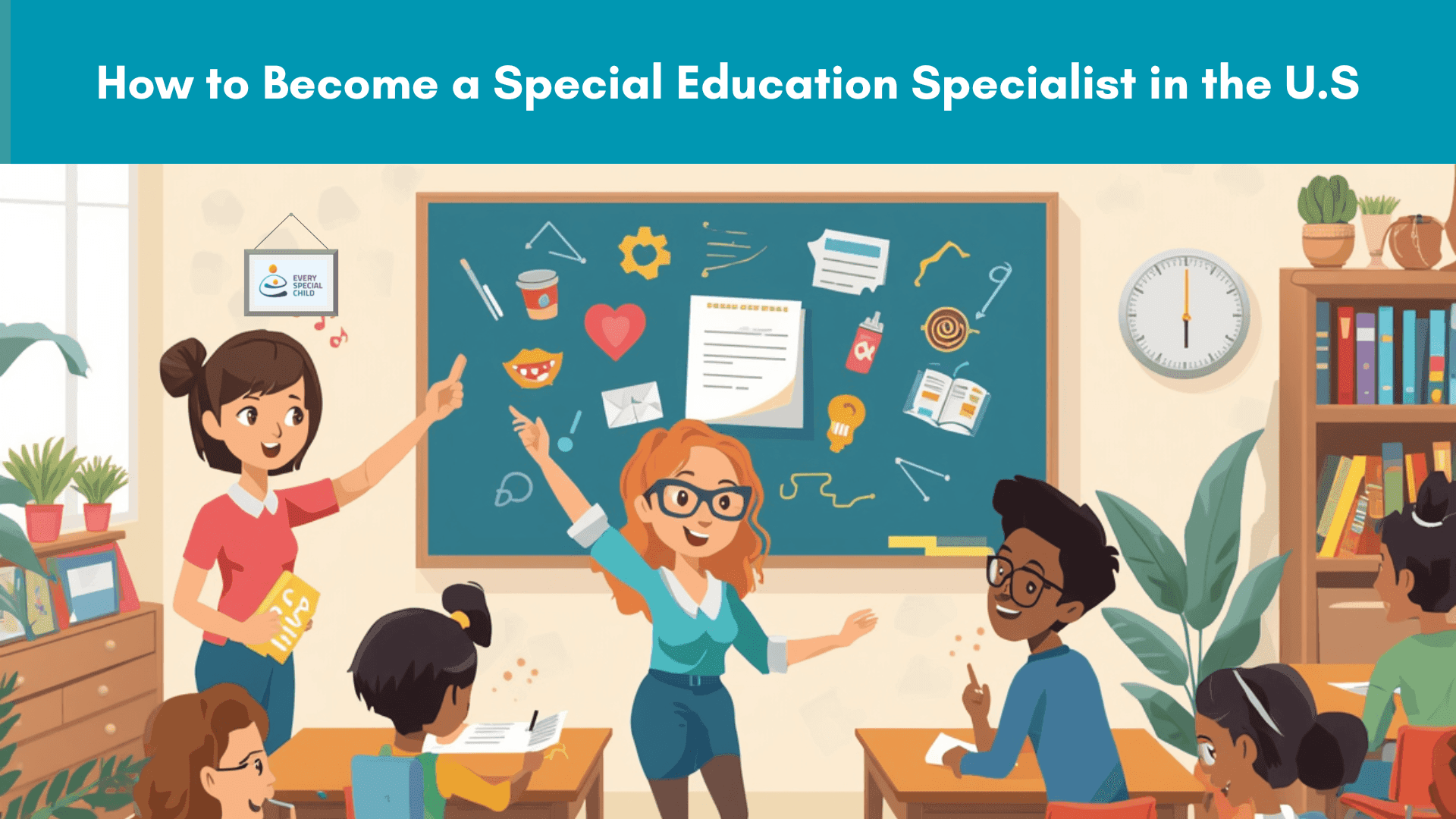
How to Become a Special Education Specialist in the U.S | Step-by-Step Guide
Learn how to become a Special Education Specialist in the U.S., including California requirements. Explore degrees, licensure, certifications, and career outlook.
The educational path to become a Special Education Specialist is more than a checklist of degrees—it’s a purposeful journey toward advocating for students, fostering inclusion, and creating supportive learning environments in U.S. schools. Special education specialists play a vital role in helping students with disabilities overcome academic, behavioral, and social challenges while reaching their full potential.
If you’re passionate about making a lasting impact in education, understanding the educational path to become a Special Education Specialist is the foundation of a stable, rewarding, and high-demand career. From choosing the right degree program to meeting state licensure requirements, this step-by-step U.S. guide breaks down everything you need to know to begin your journey with confidence.
Choosing a career in special education requires clarity, preparation, and long-term commitment. Understanding how to become a Special Education Specialist ensures you’re equipped with the instructional skills, legal knowledge, and classroom experience needed to support diverse learners effectively.
With growing demand across U.S. school districts—and particularly in California special education programs—following the correct pathway provides job stability, professional growth, and meaningful societal impact.
Quick Apply: Send Every Special Child an interest form to find out more about Special Education Specialist openings and start your Special Education career sooner than before. ➡️ Apply Now
Step-by-Step Guide For Becoming A Special Education Specialist
Choosing a career in special education requires clarity and commitment. The educational path to become a Special Education Specialist ensures professionals are equipped with the knowledge, skills, and legal understanding needed to support diverse learners.
With growing demand in U.S. schools, following the correct educational path provides long-term career security and professional impact. See More Other Articles.
Step 1: Earn a Bachelor’s Degree
The first step in learning how to become a Special Education Specialist is earning a bachelor’s degree from an accredited institution.
Common degree options include:
- Bachelor’s in Special Education
- Bachelor’s in Education with a Special Education concentration
- Related fields such as psychology, child development, or human services
In California, many programs align directly with state credentialing requirements.
Step 2: Complete a State-Approved Teacher Preparation Program
A required step in how to become a Special Education Specialist in the U.S. is completing a state-approved teacher preparation program.
These programs provide:
- Supervised classroom experience
- Student teaching placements
- Inclusive education strategies
- Behavioral and classroom management training
Hands-on experience is especially critical for California Special Education Specialist credentials. See More
Step 3: Obtain State Licensure or Credential
Licensure is a non-negotiable step in how to become a Special Education Specialist.
In the U.S., this typically includes:
- Passing required certification exams
- Background checks
- Completion of approved coursework
In California, candidates must earn a California Special Education Specialist Credential, such as the Education Specialist Instruction Credential, issued by the California Commission on Teacher Credentialing (CTC).
Step 4: Earn a Master’s Degree (Highly Recommended)
While not always mandatory, a master’s degree strengthens your path when learning how to become a Special Education Specialist.
Benefits include:
- Advanced instructional and intervention strategies
- Greater leadership opportunities
- Higher earning potential
- Increased competitiveness in California school districts
Many California employers prefer or require a master’s degree for advancement.
Step 5: Add Specialized Endorsements or Authorizations
Specialized credentials enhance your expertise and employability.
Common areas include:
- Autism Spectrum Disorders
- Emotional and Behavioral Disorders
- Learning Disabilities
- Applied Behavior Analysis (ABA)
These are especially valuable for California special education specialist jobs, where specialized needs are growing.
Step 6: Ongoing Professional Development
Learning how to become a Special Education Specialist doesn’t end with certification.
Ongoing development ensures:
- Compliance with evolving education laws
- Updated instructional practices
- License renewal (required in California and most states)
Legal Knowledge Required
A crucial part of how to become a Special Education Specialist in the U.S. is understanding federal and state education laws, including:
- Individuals with Disabilities Education Act (IDEA)
- Section 504 of the Rehabilitation Act
- California state education regulations
Legal knowledge ensures ethical practice and student protection.
Career Outlook in the U.S. and California
After completing the steps on how to become a Special Education Specialist, career paths include:
- Special Education Specialist
- IEP Coordinator
- Inclusion Support Teacher
- Educational Consultant
Demand is especially strong for Special Education Specialists in California, driven by population growth and inclusive education mandates.
Emotional Rewards of the Career
Beyond credentials, This Educational Path leads to deep personal fulfillment, including:
- Witnessing student breakthroughs
- Building trust with families
- Creating inclusive learning environments
- Long-term student success
Few careers offer such a lasting impact.
FAQs:
How long does it take to become a Special Education Specialist?
Typically 4–6 years, depending on degree level and state requirements.
Is certification different in California?
Yes. California requires a state-issued Special Education Specialist Credential through the CTC.
Is a master’s degree required?
Not always, but it significantly improves career prospects and salary potential.
Is special education a good career in California?
Absolutely. High demand, job security, and the opportunity for meaningful work make it an excellent career choice.
Final Thoughts
Learning how to become a Special Education Specialist is a powerful investment in both your professional future and the lives of students who rely on specialized support. By following the right educational and licensure path—especially within California’s high-demand education system—you position yourself for a stable, respected, and purpose-driven career.
Special Education Specialists are not just educators—they are advocates, leaders, and agents of change shaping inclusive classrooms across the United States. ➡️ Apply Now

Comments (…)