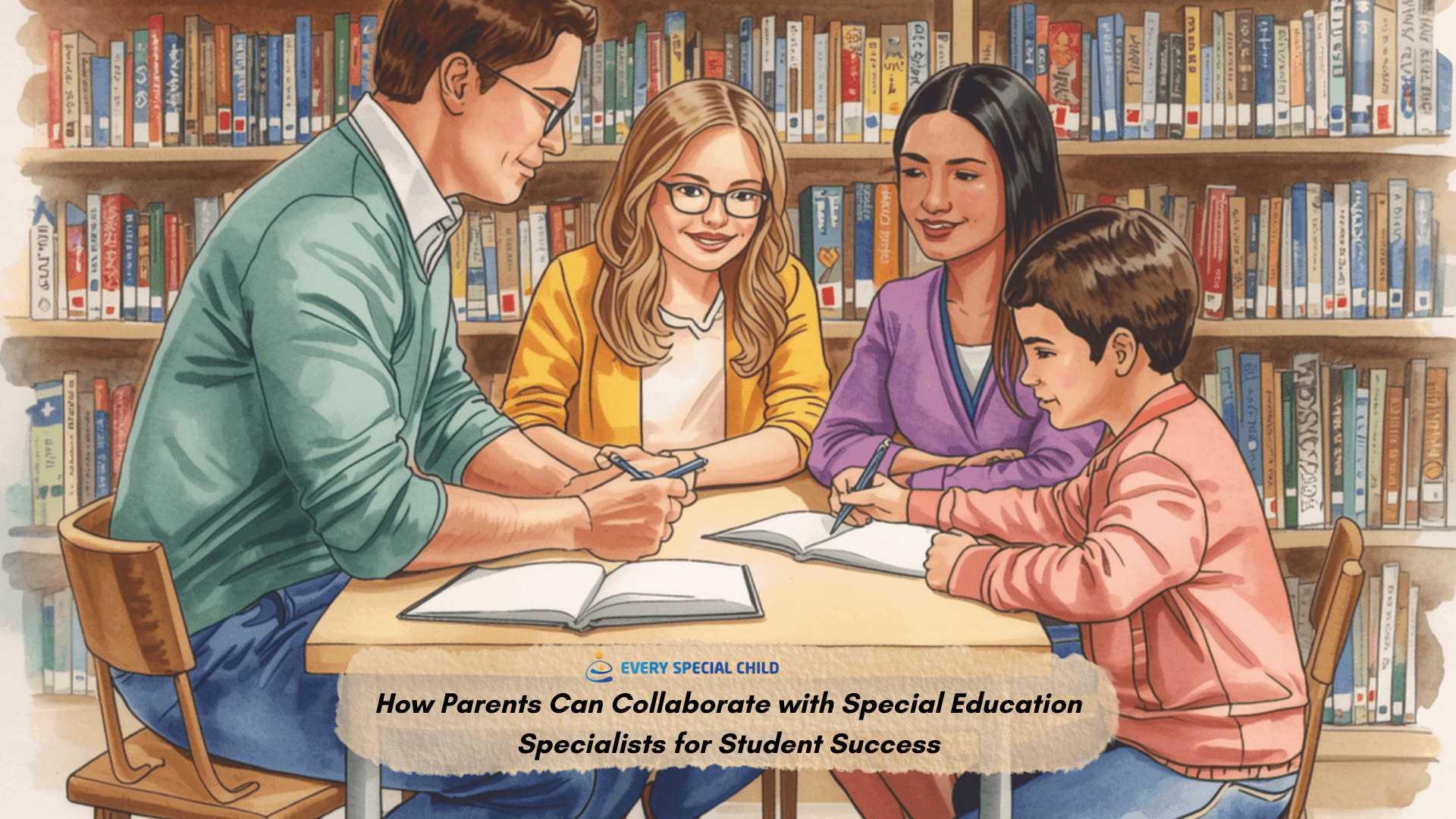
How Parents Can Collaborate with Special Education Specialists: Building Strong Support for Your Child in U.S. Schools
Ever wondered how parents can collaborate with special education specialists in U.S. schools? Learn practical strategies to support IEPs, improve communication, and help your child thrive through strong parent–school partnerships.
When your child needs extra support at school, you are not expected to navigate the system alone. Understanding how parents can collaborate with special education specialists is one of the most powerful ways to advocate for your child’s success in U.S. schools.
From IEP meetings to daily classroom strategies, strong parent–specialist collaboration transforms confusion into clarity and concern into confidence. When families and professionals work as a team, children with special needs are given the best possible chance to thrive—academically, socially, and emotionally. ➡️ Apply Now
Why Parent Collaboration in Special Education Matters
Effective parent collaboration in special education is not just encouraged—it’s essential. Federal laws like the Individuals with Disabilities Education Act (IDEA) recognize parents as equal partners in their child’s education.
When parents actively collaborate with special education specialists:
- Students receive more consistent support
- IEP goals are better aligned with real needs
- Miscommunication is reduced
- Trust between families and schools improves
Understanding how parents can collaborate with special education specialists leads to better outcomes for everyone involved.
Understanding the Role of Special Education Specialists
Before collaboration can succeed, parents must understand who they’re working with. Special education specialists are trained professionals who:
- Assess learning needs
- Develop and manage IEPs
Provide individualized instruction - Ensure legal compliance
- Advocate for student accommodations
Working with special education specialists means partnering with experts who are dedicated to your child’s growth and protection under U.S. education law. See More Other
How Parents Can Collaborate with Special Education Specialists Effectively
1. Be an Active Participant in the IEP Process
One of the most important ways parents can collaborate with special education specialists is through active IEP involvement.
Parents should:
- Attend all IEP meetings
- Share observations from home
- Ask questions and request clarification
- Review goals and accommodations carefully
Your voice matters—and legally counts.
2. Maintain Open and Respectful Communication
Strong communication is the foundation of parent-school partnership in special education.
Helpful strategies include:
- Scheduling regular check-in
- Using email or communication logs
- Addressing concerns early, not emotionally
- Celebrating progress—not just challenges
Clear communication keeps everyone aligned and focused on the child’s success.
3. Share Your Child’s Strengths and Needs
Parents know their children best. Sharing insights about:
- Learning preferences
- Emotional triggers
- Motivators and interests
- Successful strategies used at home
helps special education specialists personalize support more effectively.
This level of insight enables effective collaboration with special education specialists in a meaningful way. See More
4. Understand Your Rights as a Parent in the U.S.
Knowing your rights is a crucial part of how parents can collaborate confidently with special education specialists.
Parents have the right to:
- Access educational records
- Request evaluations
- Disagree and seek mediation
- Participate equally in decision-making
Understanding IDEA and Section 504 empowers parents to collaborate—not confront.
5. Support Learning at Home
Collaboration doesn’t stop at school. Parents can reinforce progress by:
- Following the IEP strategies at home
- Encouraging consistency in routines
- Supporting behavioral goals
- Celebrating small wins
This consistency strengthens outcomes and reinforces the special education parent-school partnership.
Overcoming Common Collaboration Challenges
Even strong partnerships face challenges. Common barriers include:
- Miscommunication
- Scheduling conflicts
- Emotional stress
- System complexity
The key is staying focused on the shared goal: your child’s success. When parents and specialists work through challenges together, collaboration becomes stronger—not weaker.
FAQs:
How often should parents communicate with special education specialists?
Regular communication is recommended—monthly check-ins or as needed, based on the child’s IEP.
Do parents have decision-making power in special education?
Yes. Parents are legally recognized members of the IEP team in U.S. schools.
What if parents disagree with the specialist’s recommendations?
Parents can request revisions, additional evaluations, or mediation under IDEA.
Can parents collaborate without formal meetings?
Yes. Informal communication is often just as valuable as formal IEP meetings.
Final Thoughts:
At the heart of special education success is partnership. Understanding how parents can collaborate with special education specialists empowers families to move from feeling overwhelmed to feeling informed and confident.
When parents and specialists work together with trust, communication, and shared purpose, children receive more than support—they receive opportunity. In U.S. schools committed to inclusion and equity, collaboration isn’t optional. It is the link that transforms potential into advancement.➡️ Apply Now

Comments (…)