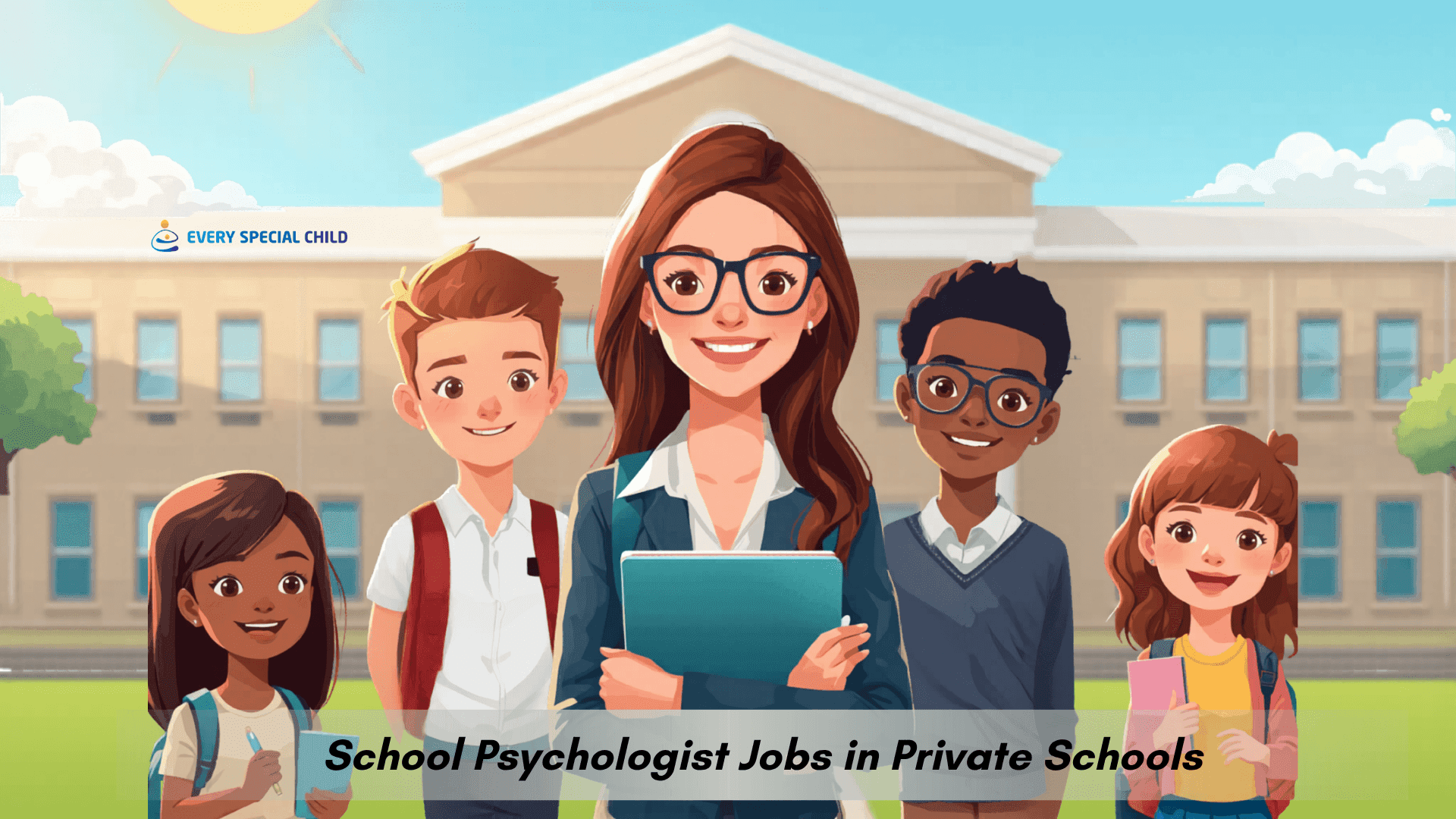
School Psychologist Jobs in Private Schools (U.S.) : Complete Career Guide for 2026
Check out below to know How School Psychologist Jobs in Private Schools Offer Flexibility, Autonomy, and Professional Growth
If you’re exploring school psychologist jobs in private schools, you’re likely seeking more than just a job—you want professional autonomy, manageable caseloads, career flexibility, and the ability to create meaningful change in students’ lives. Across the United States, school psychologist jobs in private school’s are expanding rapidly as private institutions invest heavily in mental health services, learning support, and student wellness. Apply Now
This in-depth guide is designed for U.S.-based professionals researching school psychologist jobs in private school’s. It explains why demand is growing, how private school roles differ from public school positions, expected salaries, licensing requirements, and how to secure a private school psychology job successfully.
Why School Psychologist Jobs in Private Schools Are Growing in the U.S.
Demand for school psychologist jobs in private school’s is increasing nationwide due to a growing emphasis on student mental health, neurodiversity, and social-emotional learning (SEL). Parents expect personalized academic and emotional support, and private schools are responding by hiring qualified school psychologists.
Key drivers behind the growth of school psychologist jobs in private school’s include:
- Increased national focus on student mental health and emotional resilience
- Smaller class sizes that allow individualized psychological assessments
- Higher parent expectations for specialized learning and behavioral support
- Expansion of private, independent, charter, and therapeutic schools across the U.S.
As a result, school psychologist jobs in private school’s now offer long-term stability, professional growth, and high-impact career opportunities. Read another blog.
What Does a School Psychologist Do in a Private School?
While responsibilities vary by institution, most school psychologist jobs in private school’s include a wide range of clinical, consultative, and educational duties:
- Conducting psychoeducational and behavioral assessments
- Supporting students with learning disabilities, ADHD, autism, and emotional challenges
- Designing and implementing individualized intervention plans
- Collaborating with teachers, administrators, and families
- Providing short-term counseling and crisis intervention
- Supporting and leading social-emotional learning (SEL) initiatives
Compared to public school settings, school psychologist jobs in private school’s often allow deeper one-on-one student engagement and more personalized care.
Private vs. Public School Psychologist Jobs: Key Differences
Smaller Caseloads and Greater Flexibility
Most school psychologist jobs in private school’s involve significantly smaller caseloads, enabling school psychologists to provide individualized attention and comprehensive support.
Broader Scope of Practice
Unlike many public school roles, school psychologist jobs in private school’s often combine assessment, counseling, consultation, and program development responsibilities.
Fewer Bureaucratic Barriers
Private schools typically have faster decision-making processes, allowing psychologists to implement interventions without lengthy district approvals.
Diverse Educational Environments
Professionals in school psychologist jobs in private schools may work in faith-based schools, Montessori programs, therapeutic day schools, or college-preparatory academies. See More.
Salary Expectations for School Psychologist Jobs in private school’s
Salaries for school psychologist jobs in private schools vary based on location, credentials, and experience level.
Typical U.S. salary ranges for school psychologist jobs in private school’s:
- Entry-level school psychologist: $60,000–$75,000 per year
- Mid-career school psychologist: $75,000–$95,000 per year
- Senior or specialized school psychologist roles: $95,000–$115,000+ per year
While public school salaries may sometimes be higher, school psychologist jobs in private school’s often provide:
- Performance-based salary growth
- Lower stress and smaller workloads
- Greater professional independence
- Higher overall job satisfaction
Education and Licensing Requirements for Private School Psychologist Jobs
Most school psychologist jobs in private school’s in the U.S. require:
- A school psychology master’s or specialist degree (Ed.S.)
- A doctoral degree (PhD or PsyD) for leadership or highly specialized roles
- State licensure or certification (requirements vary by state)
- Nationally Certified School Psychologist (NCSP) credential preferred, but not always required
Some private schools offer flexibility with certification timelines, making school psychologist jobs in private schools accessible to experienced clinicians transitioning from other settings.
Best States for School Psychologist Jobs in Private Schools
The highest demand for school psychologist jobs in private schools is found in states with strong private education networks, including:
- California
- New York
- Texas
- Florida
- Massachusetts
- Illinois
Urban and suburban regions consistently offer the most school psychologist jobs in private schools, along with competitive compensation packages.
How to Land School Psychologist Jobs in Private Schools
To stand out when applying for school psychologist jobs in private schools, candidates should:
- Highlight experience with individualized assessments and intervention planning
- Emphasize counseling, SEL, and mental health expertise
- Demonstrate strong collaboration with families and multidisciplinary teams
- Tailor resumes and cover letters to private school culture and values
- Network with private school administrators, recruiters, and professional associations
Private schools hiring for school psychologist jobs prioritize adaptability, communication skills, and a student-centered mindset.
Benefits of School Psychologist Jobs in Private Schools
Professionals working in school psychologist jobs in private schools frequently report:
- Higher job satisfaction and reduced burnout
- Stronger relationships with students and families
- Greater influence on school-wide mental health programs
- Increased opportunities for leadership and innovation
- More autonomy compared to public school roles
For professionals seeking meaningful, purpose-driven careers, school psychologist jobs in private schools offer a powerful alternative.
Frequently Asked Questions
Are school psychologist jobs in private schools full-time?
Yes. Most school psychologist jobs in private schools are full-time, although part-time and consulting roles are also available.
Do private schools require the same certification as public schools?
Certification requirements vary, but state licensure is typically preferred for school psychologist jobs in private schools.
Is the workload lighter in private school psychologist jobs?
In many cases, yes. Smaller caseloads and fewer administrative responsibilities are major advantages of school psychologist jobs in private schools.
Can new graduates apply for school psychologist jobs in private schools?
Yes. Many school psychologist jobs in private schools are open to early-career professionals with strong clinical training.
Are school psychologist jobs in private schools stable long-term careers?
Absolutely. As student mental health remains a national priority, school psychologist jobs in private schools continue to grow across the U.S.
Final Thoughts:
School psychologist jobs in private schools provide a unique combination of professional fulfillment, flexibility, and long-term career growth. For U.S.-based professionals seeking reduced bureaucracy, manageable caseloads, and meaningful student impact, private school psychology careers are an excellent choice. Apply Now
With rising national demand and expanding opportunities, now is the ideal time to pursue school psychologist jobs in private schools.
Comments (…)