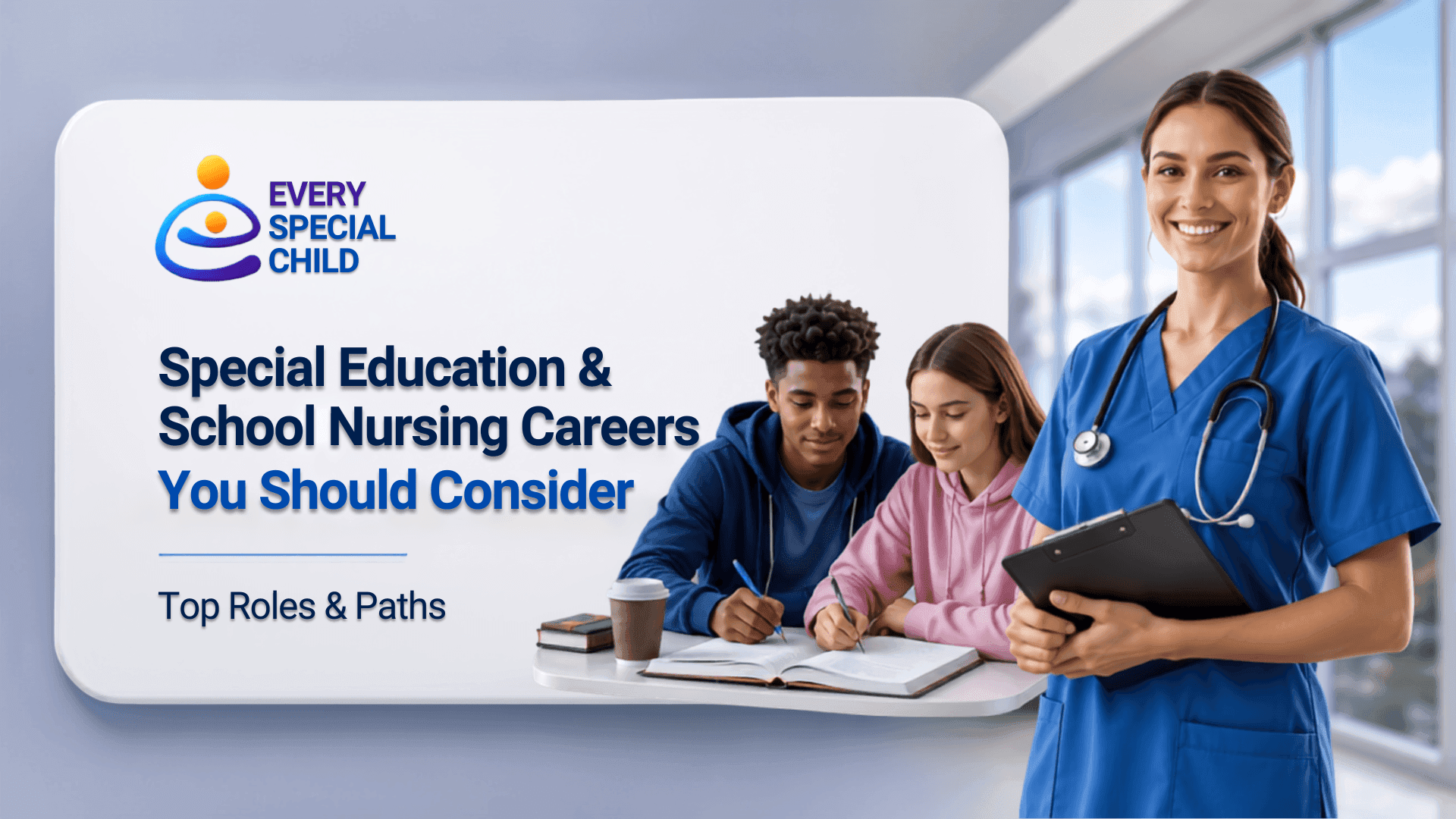
Special Education and School Nursing Careers You Should Consider
Special Education and School Nursing Careers are two of the most rewarding and impactful careers in education today. Both professions center around helping students reach their full potential—whether through academic support or ensuring their health and wellness. As schools increasingly prioritize mental health, inclusivity, and holistic care, the need for skilled professionals in these fields continues to grow. Apply Now.
Understanding Special Education Careers
Special Education and School Nursing Careers focuses on teaching students who have physical, learning, emotional, or developmental challenges. These professionals tailor learning experiences to meet each child’s individual needs, ensuring equal access to education. Special education careers are not only about teaching—they’re about empowerment, empathy, and advocacy. Read More Articles.
Key Roles in Special Education
Special Education Teacher
These teachers create individualized education programs (IEPs), work closely with families, and adapt lessons for students with disabilities. They often collaborate with therapists and school psychologists to ensure comprehensive support.
Speech-Language Pathologist
Speech-language pathologists help students with communication disorders, improving speech clarity, language comprehension, and social communication skills essential for classroom participation.
Occupational Therapist
Occupational therapists assist students in developing fine motor skills, sensory processing, and daily living abilities that support independence in school activities.
Behavior Specialist (BCBA/RBT)
Behavior specialists, including Board Certified Behavior Analysts (BCBAs) and Registered Behavior Technicians (RBTs), focus on improving students’ behavioral and emotional regulation through Applied Behavior Analysis (ABA) techniques.
Special Education Aide or Paraprofessional
Paraprofessionals work under teachers’ supervision to provide one-on-one or small-group assistance. They play a critical role in classroom management and student engagement.
Education and Certification Requirements for Special Education Careers
Becoming a Special Education and School Nursing Careers professional typically requires at least a bachelor’s degree in special education or a related field. Many states also mandate a teaching license or special education certification. Advanced roles such as speech-language pathologists and occupational therapists require master’s degrees and national certification exams.
Continuous learning is key—professionals must stay updated on inclusive teaching strategies, assistive technologies, and behavioral intervention techniques. See More
School Nursing Careers Explained
School nurses are the healthcare backbone of educational environments. They provide preventive care, manage chronic conditions, and respond to emergencies. Beyond physical health, school nurses also play a vital role in addressing students’ mental and emotional well-being Special Education and School Nursing Careers.
Types of School Nursing Careers
Registered Nurse (RN) in Schools
These nurses handle daily health issues, administer medications, and perform first aid. They often serve as the first line of defense in emergencies.
Certified School Nurse (CSN)
CSNs have additional training in pediatric and community health. They lead health education programs, ensure compliance with state health regulations, and coordinate care with families and physicians.
School Health Coordinator
These professionals manage district-wide health programs, ensuring every school follows safety protocols and health standards.
Public Health Nurse
While not always school-based, public health nurses collaborate with educational institutions to promote wellness initiatives and vaccination campaigns.
Educational Path to Become a School Nurse
Aspiring school nurses must first earn an RN license, usually through a Bachelor of Science in Nursing (BSN) program. Some states require additional certification in school nursing or public health. Core skills include communication, empathy, organization, and clinical judgment—all crucial for supporting students’ physical and emotional health.
Similarities Between Special Education and School Nursing Careers
Both professions revolve around student well-being. Special education teachers and school nurses often collaborate to create holistic support plans, ensuring a child’s health needs do not hinder academic progress. Their teamwork bridges the gap between healthcare and education.
Challenges and Rewards
Working in these fields comes with challenges like emotional burnout, heavy caseloads, and limited resources. Yet, the rewards are immense—witnessing a child overcome obstacles, achieve milestones, or regain confidence makes every effort worthwhile.
These careers require compassion, resilience, and patience, but the sense of purpose they offer is unmatched.
Salary and Job Outlook
According to the U.S. Bureau of Labor Statistics, special education teachers earn a median annual wage of around $65,000, while school nurses typically earn between $60,000–$75,000, depending on region and experience. Both fields have stable job growth projections through 2035 due to rising awareness of student health and learning diversity.
Future of Special Education and School Nursing
Technology and AI are reshaping these careers. From assistive devices that enhance learning for students with disabilities to telehealth consultations that make nursing care more accessible, innovation is driving change. Schools are becoming more inclusive, and professionals who adapt to these changes will thrive in the years ahead.
Tips for Starting a Career in These Fields
- Gain Early Experience: Volunteer in schools or clinics to understand daily responsibilities.
- Find a Mentor: Seek guidance from experienced professionals.
- Stay Certified: Keep up with new training opportunities and certifications.
- Build Emotional Strength: Self-care is crucial for sustaining long-term success.
- Network: Join professional associations to stay informed about new opportunities.
FAQs
- What makes Special Education and School Nursing Careers unique?
Special Education and School Nursing Careers: They blend education, healthcare, and emotional support, directly impacting students’ growth and well-being. - How can I switch to one of these careers later in life?
Many professionals transition through certification programs or graduate degrees tailored for career changers. - Are these careers suitable for remote or hybrid work?
Some roles, like telehealth nursing or virtual tutoring for special needs students, allow hybrid opportunities. - What personal qualities are needed to succeed?
Empathy, patience, adaptability, and strong communication skills are key traits for success. - How do these professions make a difference in the community?
They ensure inclusive education, promote health awareness, and support the next generation of learners and leaders.

Comments (…)