
Extensive Support Jobs in California | ESN Teacher Careers
Explore Extensive Support Jobs in California, including ESN teacher qualifications, classroom responsibilities, credential requirements, career opportunities, and practical tips for finding the right special education teaching position. Apply Now
Build a Career That Makes a Meaningful Difference
What if your teaching career could help students communicate more confidently, develop essential life skills, and participate more independently in everyday activities? For educators passionate about individualized learning, Extensive Support Jobs in California offer an opportunity to make that kind of difference.
Extensive Support Needs (ESN) teachers work with students who require significant individualized educational assistance. Their responsibilities extend beyond traditional classroom instruction to include communication development, academic accessibility, functional learning, and collaboration with specialized support teams.
Whether you’re an experienced special education teacher, a newly credentialed educator, or considering a career transition, understanding California’s ESN teaching opportunities can help you make informed decisions about your professional future.
What Are Extensive Support Jobs in California?
Extensive Support Jobs in California focus on educating students whose learning needs require intensive, individualized instruction and specialized educational services.
California recognizes Extensive Support Needs (ESN) as a specialty area under its Education Specialist Instruction Credential framework.
Teachers working in these positions develop educational experiences that support students’ academic progress, communication abilities, social participation, adaptive skills, and independence.
Unlike general education positions, ESN teaching often involves extensive collaboration with paraprofessionals, therapists, families, and other special education professionals.
Who Do ESN Teachers Support?
Students in extensive-support programs may require individualized assistance with:
- Academic learning and classroom participation
- Expressive and receptive communication
- Social interaction and emotional development
- Adaptive and daily living skills
- Mobility and physical accessibility
- Behavioral and sensory support
- Transition planning and preparation for adulthood
Each learner has unique strengths, goals, and needs. Effective instruction begins with understanding those differences rather than applying the same strategy to every student. See More Other
Key Responsibilities of an Extensive Support Needs Teacher
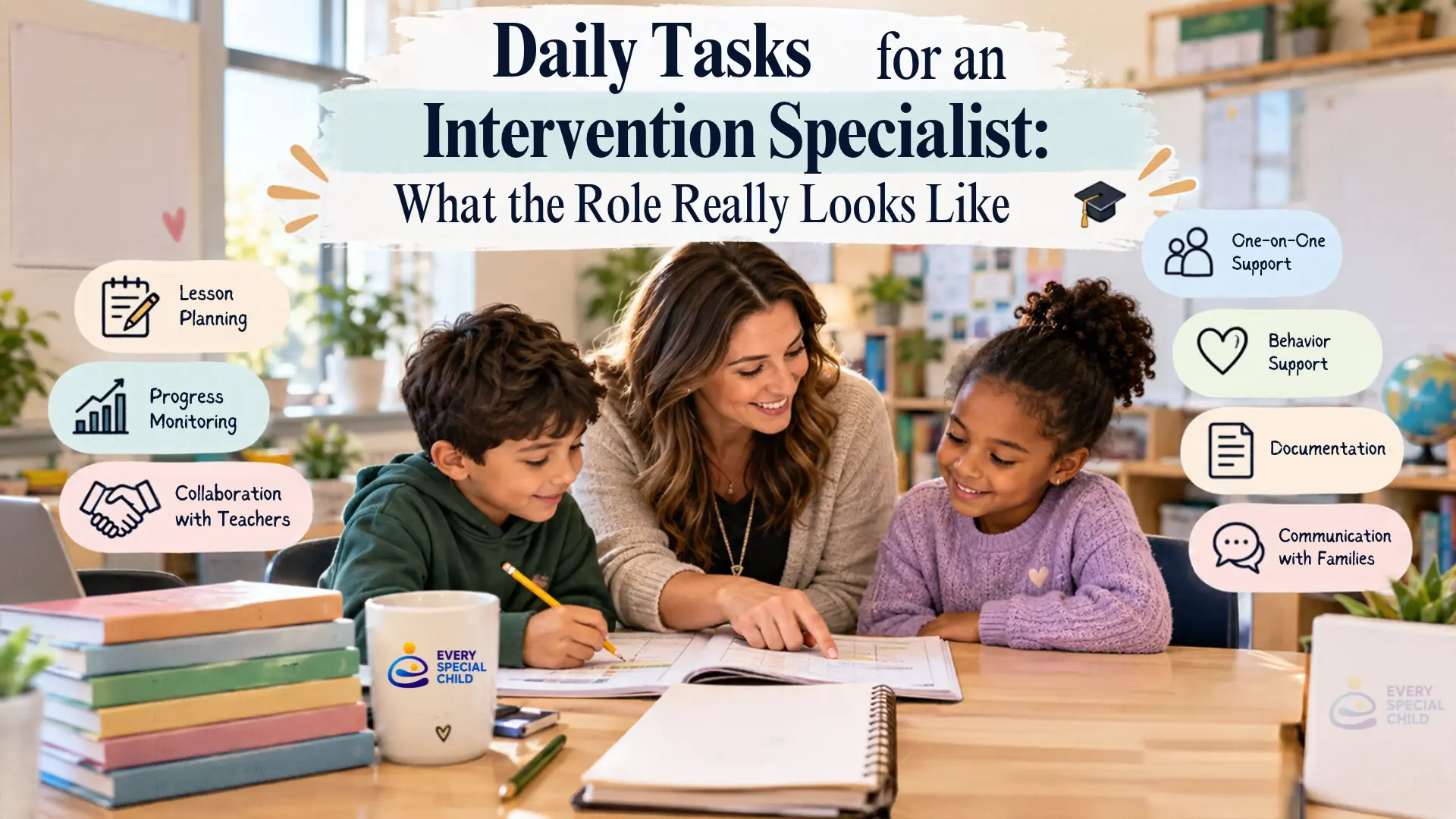
Professionals exploring Extensive Support Jobs in California should understand that the position combines instruction, educational planning, progress monitoring, and teamwork.
1. Develop Individualized Learning Experiences
ESN teachers adapt instructional materials, classroom activities, and teaching approaches to accommodate different learning styles and support needs.
Instruction may include visual schedules, hands-on activities, assistive technology, structured routines, and alternative communication methods.
The objective is to make meaningful learning accessible while maintaining appropriate educational expectations.
2. Implement Individualized Education Programs
An Individualized Education Program (IEP) establishes personalized educational goals and identifies the services and supports a qualifying student needs.
ESN teachers help develop, implement, and monitor these plans.
Responsibilities may involve documenting student progress, participating in IEP meetings, communicating with families, and adjusting instructional approaches when necessary.
3. Support Communication and Independence
Communication is essential for learning and participation in daily activities.
Teachers may incorporate augmentative and alternative communication (AAC), picture-based systems, gestures, or communication devices into classroom instruction.
They also help students practice skills that support independence, decision-making, and everyday participation.
4. Collaborate With Educational Support Teams
High-quality extensive-support instruction often requires coordinated teamwork.
ESN teachers may collaborate with speech-language pathologists, occupational therapists, physical therapists, behavior professionals, school psychologists, paraprofessionals, and families.
Clear communication helps ensure students receive consistent educational support.
Qualifications for Extensive Support Jobs in California
Candidates pursuing Extensive Support Jobs in California should carefully review the credential and qualification requirements associated with each position.
California’s Commission on Teacher Credentialing (CTC) identifies Extensive Support Needs as an Education Specialist Instruction Credential specialty area.
Depending on the candidate’s preparation and the particular assignment, relevant requirements may include:
- A bachelor’s degree from an accredited institution
- Completion of an approved educator preparation pathway
- Appropriate California Education Specialist credential authorization
- Applicable state assessment and credential requirements
- Background clearance and other employment requirements Knowledge of IEP implementation and differentiated instruction
California also distinguishes between Preliminary and Clear teaching credentials, with requirements that vary according to the applicant’s pathway.
Educators prepared outside California should review the CTC’s out-of-state educator guidance before assuming their existing credentials qualify them for a particular assignment.
For official credential information, consult the California Commission on Teacher Credentialing (CTC) and the hiring school district. See More
ESN vs. Moderate/Severe Special Education Teaching Positions
When searching for Moderate/Severe Teacher jobs in California, applicants may notice positions advertised using different terminology.
Some employers continue to use older labels, while others advertise positions specifically as Extensive Support Needs Teacher roles.
Although these searches may lead to related opportunities, applicants should not assume every job title carries identical credential requirements.
Compare the requested authorization, student population, grade levels, instructional setting, and job responsibilities.
This distinction is particularly important for educators transitioning from older special education credential pathways.
Essential Skills for Extensive Support Needs Teaching Careers
Successful Extensive Support Needs teaching careers require a combination of instructional knowledge, communication abilities, and professional judgment.
Adaptability and Creative Problem-Solving
Every student learns differently. Teachers must be prepared to modify lessons, introduce alternative learning materials, and adjust instructional strategies when necessary.
Patience and Emotional Awareness
Student progress can take different forms. A learner communicating a preference independently or completing a routine with fewer prompts may represent meaningful educational growth.
Recognizing these achievements helps teachers develop realistic, student-centered learning goals.
Organization and Documentation
Lesson planning, IEP responsibilities, progress monitoring, and collaboration require consistent organization.
Teachers need reliable systems for documenting student performance and managing educational responsibilities.
Leadership and Team Collaboration
ESN teachers frequently coordinate classroom routines and work alongside instructional support staff.
Clear expectations, respectful communication, and effective delegation contribute to a supportive learning environment.
Where to Find Extensive Support Jobs in California
Candidates interested in Extensive Support Jobs in California can explore opportunities across California’s public school districts, county offices of education, and other eligible educational organizations.
Geographic areas worth including in a job search include:
- Los Angeles County: Explore district and educational agency positions across the greater Los Angeles region.
- San Francisco Bay Area: Research opportunities in San Francisco, Oakland, San Jose, and surrounding communities.
- Sacramento Region: Review special education vacancies in Sacramento and nearby districts.
- San Diego County: Compare ESN assignments across local educational organizations.
- Central Valley and Inland Empire: Consider opportunities in Fresno, Bakersfield, Riverside, San Bernardino, and surrounding areas.
These are suggested search locations, not confirmations of current vacancies.
Best Ways to Search for ESN Teaching Opportunities
Use several related search terms to identify relevant positions, including:
- Extensive Support Needs Teacher jobs
- ESN Special Education Teacher California
- Moderate/Severe Special Education Teacher
- High support special education jobs
- Education Specialist Extensive Support Needs
District career pages, county office employment websites, and EDJOIN can help applicants research educational vacancies.
Salary, Benefits, and Career Growth Opportunities
Compensation for ESN teaching positions depends on the employing organization, district salary schedule, professional experience, education level, and assignment.
Instead of relying on statewide salary estimates, applicants should review the employer’s published compensation schedule.
Depending on the position, benefits may include health coverage, retirement participation, paid leave, professional development, and other employer-sponsored programs.
Experience in ESN classrooms can also support professional advancement into instructional coaching, mentoring, special education coordination, transition services, or educational leadership.
Teachers interested in high-support special education jobs should evaluate both immediate employment conditions and long-term professional development opportunities.
Questions to Ask Before Accepting an ESN Teaching Position
Before accepting an offer, consider asking the employer about classroom size, paraprofessional coverage, IEP caseload responsibilities, planning time, specialist availability, and professional development.
Also ask about the student age range, classroom structure, available assistive technology, and expectations for collaborating with families.
Understanding the actual assignment helps determine whether the position matches your qualifications, strengths, and professional goals.
Frequently Asked Questions (FAQs)
1. What are Extensive Support Jobs in California?
Extensive Support Jobs in California include specialized educational positions supporting students who need intensive individualized instruction, communication assistance, and other educational services. ESN teachers help students access learning and make progress toward their IEP goals.
2. What qualifications are required for Extensive Support Jobs in California?
Applicants generally need an appropriate California teaching credential or qualifying credential pathway. Specific requirements depend on the assignment and employer. Candidates should verify their eligibility through the California Commission on Teacher Credentialing.
3. Are ESN and Moderate/Severe teaching jobs the same?
The terms may appear in related job searches, but they should not automatically be treated as interchangeable. California’s credential framework has evolved, so applicants should compare the actual authorization and requirements listed in each job posting.
4. How much do Extensive Support Needs teachers earn in California?
Salaries vary by school district, experience, education, and employment arrangement. Reviewing official district salary schedules and published job offers provides a more reliable compensation estimate than assuming one statewide salary.
5. Can out-of-state teachers apply for California ESN jobs?
Yes, educators prepared in other states can explore California teaching opportunities. However, they must satisfy the applicable California credential requirements and obtain the authorization required for their intended assignment.
6. Where can I find Extensive Support Needs Teacher vacancies?
Candidates can search California school district career pages, county office websites, EDJOIN, and education-focused recruitment platforms. Using related keywords and checking credential requirements helps narrow the search.
7. Is ESN teaching a good long-term career?
ESN teaching can be a rewarding career for educators who enjoy individualized instruction, collaborative problem-solving, and supporting student independence. It can also provide experience relevant to specialized educational and leadership positions.
Conclusion:
Extensive Support Jobs in California provide educators with an opportunity to combine specialized teaching skills with meaningful student-centered work.
From individualized academic instruction and communication development to collaboration and transition planning, ESN teachers contribute to educational experiences that reflect each student’s strengths and goals.
Finding the right opportunity begins with understanding California’s credential requirements, comparing school environments, and evaluating the responsibilities behind each job title.
If you’re exploring a future in extensive-support education, Every Special Child can be a starting point for researching relevant special education career opportunities.
Explore available positions at ESC Jobs and take the next step toward a teaching career focused on access, growth, and student independence.


Comments (…)