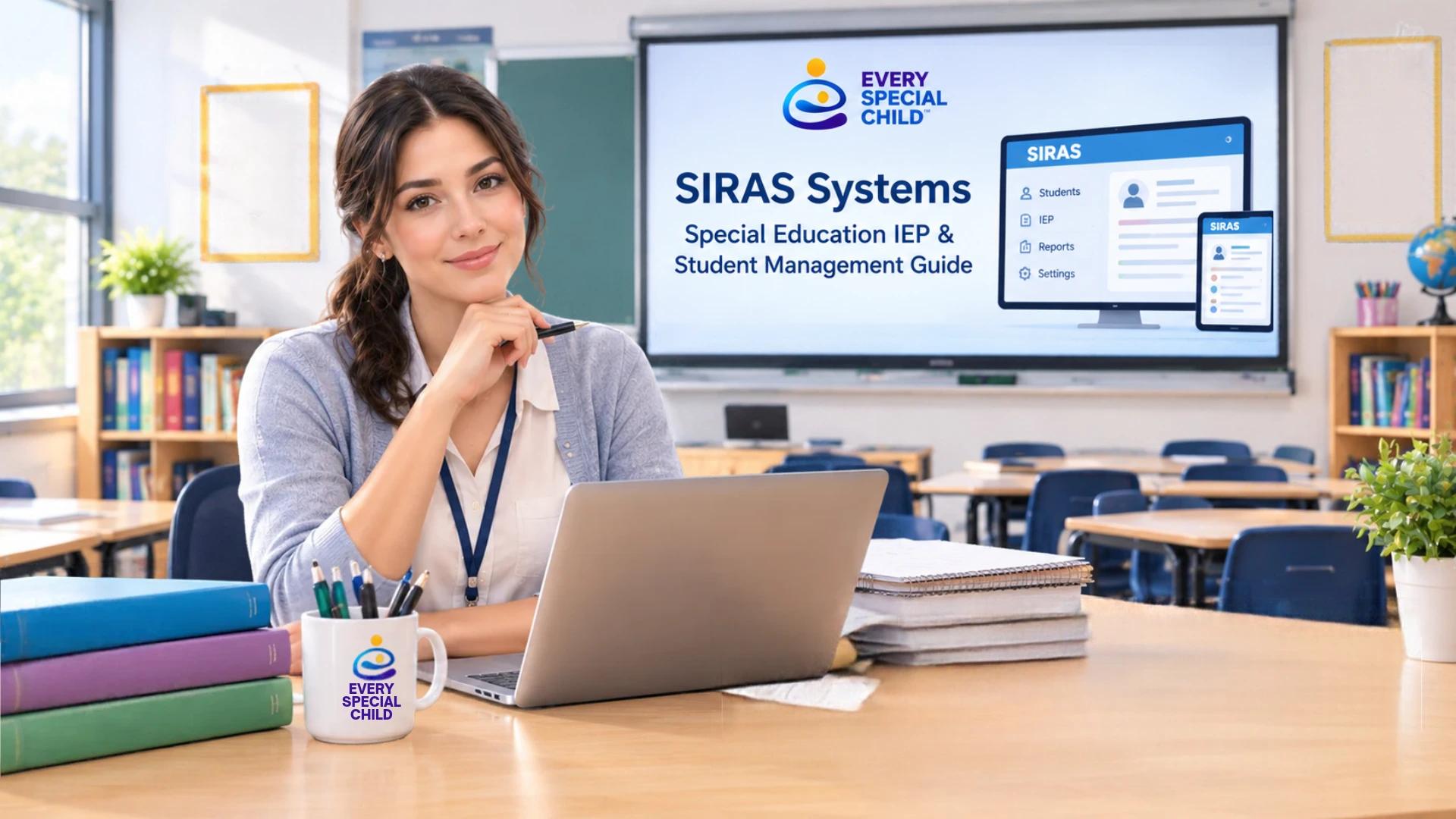
Understanding SIRAS Systems for Special Education IEP Management, Student Data, and School-Based Case Management
For special education teachers, case managers, administrators, and related-service providers, managing IEPs and student documentation can be one of the most demanding parts of the job. SIRAS Systems are associated with digital special education workflows that help school teams organize student information, IEP records, services, progress data, and required documentation. For educators working in California, familiarity with a SIRAS special education system or another IEP platform can be valuable because special education professionals often need to manage deadlines, collaborate with multidisciplinary teams, and keep accurate student records. Understanding how these systems fit into daily school operations can help teachers become more organized, confident, and efficient in their special education responsibilities. Apply Now
What Are SIRAS Systems?
SIRAS Systems are used in special education environments to support the organization and management of student records and IEP-related information.
The exact configuration may vary by district or organization, but systems in this category are typically used to support areas such as:
- IEP documentation
- Student records
- Case management
- Service information
- Progress monitoring
- Meeting preparation
- Compliance-related documentation
- Special education reporting
For teachers, this can reduce reliance on scattered documents, spreadsheets, paper files, and disconnected records.
A centralized platform can make it easier for authorized members of the educational team to work from consistent student information.
Why SIRAS Systems Matter in Special Education
Special education involves a large amount of documentation.
A teacher may be responsible for several students, each with different:
- IEP goals
- Accommodations
- Services
- Progress reports
- Meeting dates
- Eligibility information
- Assessment data
- Parent communication
Without an organized digital system, managing all of this information can become difficult.
A SIRAS special education system can help educators keep student information more organized and accessible.
The value of the system is not simply administrative.
Better organization can also support:
- More effective IEP preparation
- Clearer team communication
- More consistent progress tracking
- Better case management
- Fewer missed deadlines
- More efficient documentation
SIRAS Systems California: Why Educators May Encounter Them
Teachers researching SIRAS Systems California may be trying to understand the platform before starting a new special education position.
California school districts and educational organizations may use different software platforms for special education documentation.
That means a teacher moving between employers may encounter a new system even if they already have experience with another IEP platform.
Learning the local system is often part of onboarding.
New educators should understand:
- How to access student records
- How IEPs are created
- How goals are entered
- How progress is documented
- How meetings are prepared
- How records are finalized
- How user permissions work
The exact workflow depends on the employer’s setup and procedures. See More Other
What Is a SIRAS IEP System?
A SIRAS IEP system is generally associated with managing information related to Individualized Education Programs.
IEPs require detailed and accurate documentation.
A digital IEP platform may help teachers organize areas such as:
- Present levels of performance
- Student strengths
- Areas of need
- Annual goals
- Accommodations
- Modifications
- Services
- Meeting information
- Progress reports
Teachers still need to make professional decisions about the content of an IEP.
The software supports the process, but it does not replace instructional judgment, team collaboration, or knowledge of student needs.
How Special Education IEP Software Supports Teachers
Special education IEP software can help teachers manage multiple responsibilities in one place.
Organizing IEP Information
The system allows teachers to enter or examine data pertaining to each student’s course of study.
This can make it easier to prepare for meetings and monitor student needs.
Tracking Important Dates
Special education includes many timelines.
A digital platform may help educators organize:
- Annual review dates
- Evaluation timelines
- Progress reporting periods
- Meeting dates
- Service information
Teachers should still verify deadlines according to district procedures.
Supporting Collaboration
Special education is highly collaborative.
A digital system can help authorized professionals access shared information when preparing for meetings or supporting a student.
Depending on the school team, this may include:
- Special education teachers
- School psychologists
- Speech-language pathologists
- Occupational therapists
- Physical therapists
- Administrators
- Other related-service professionals
SIRAS Student Information System and Case Management
A SIRAS student information system can be useful for case management because special education teachers often oversee multiple student records at once.
Case management may include:
- Monitoring IEP deadlines
- Reviewing student goals
- Tracking services
- Preparing progress reports
- Organizing meeting information
- Coordinating with families
- Communicating with service providers
A centralized platform can help teachers see which tasks require attention.
This is especially important for educators managing larger caseloads.
Good case management is not just about staying organized.
It can also help ensure that students receive the services and supports described in their educational plans. See More
SIRAS Special Education Management and Progress Monitoring
SIRAS special education management may involve keeping track of student progress over time.
One of the main components of special education is progress monitoring.
Teachers may collect information from:
- Curriculum-based assessments
- Reading fluency checks
- Math probes
- Student work samples
- Behavior data
- Teacher observations
- Functional skill assessments
- Communication data
A digital system can help organize this information.
However, educators still need to use appropriate assessment methods and interpret the data carefully.
The most important question is not whether data has been entered.
The important question is whether the student is making meaningful progress toward IEP goals.
How SIRAS Systems Can Support IEP Meetings
IEP meetings require preparation.
Teachers may need to review:
- Current goals
- Progress data
- Assessment information
- Service information
- Accommodations
- Student strengths
- Areas of concern
Using SIRAS Systems or another IEP platform can help bring this information together before the meeting.
This can make team discussions more focused.
Teachers should still review all records carefully before finalizing an IEP.
A digital system may help organize the document, but the educational team is responsible for ensuring that the plan accurately reflects the student’s needs.
Documentation Accuracy Matters
Accurate documentation is essential in special education.
Teachers should pay close attention to:
- Student names
- Dates
- Goal information
- Service details
- Meeting records
- Provider information
- Progress reports
- Eligibility information
Incorrect data can create confusion for staff and families.
Educators should review information before saving or finalizing records.
This is especially important when copying information forward from previous documents.
Old information should not remain in a new IEP if it is no longer accurate.
Privacy and Student Data Security
A SIRAS student information system may contain sensitive student information.
Teachers should follow school and district privacy rules carefully.
Good practices include:
- Using secure passwords
- Never sharing login credentials
- Logging out of shared computers
- Avoiding unauthorized downloads
- Keeping printed records secure
- Following approved communication methods
Special education records should only be accessed by authorized individuals.
Digital convenience does not reduce the responsibility to protect student privacy.
Training New Teachers to Use SIRAS Systems
New special education teachers often need time to learn a district’s documentation platform.
Training may include:
- Logging into the system
- Accessing student records
- Creating or updating IEPs
- Entering goals
- Preparing progress reports
- Reviewing services
- Finalizing documents
- Generating reports
Teachers should ask questions when they are unsure.
It is better to verify a process than to make an error in an important student record.
Experienced teachers, case managers, special education administrators, and district support staff can often help new users understand the workflow.
Career Value of Learning SIRAS and Other IEP Systems
Experience with digital special education platforms can be useful for career development.
Teachers who understand special education IEP software may be better prepared to manage:
- IEP documentation
- Student caseloads
- Progress monitoring
- Meeting preparation
- Service records
- Case management
Even if a future employer uses a different system, the underlying skills often transfer.
For example, a teacher who has learned how to organize goals, monitor timelines, and manage student records in one platform may adapt more quickly to another.
Common Challenges When Using Special Education Software
Like any digital system, IEP software can present challenges.
Teachers may experience issues such as:
- Learning unfamiliar workflows
- Managing multiple deadlines
- Entering large amounts of data
- Understanding user permissions
- Avoiding duplicate records
- Maintaining accurate documentation
Good habits can make the process easier.
These include:
- Reviewing records regularly
- Updating progress data consistently
- Keeping meeting dates organized
- Checking documents before finalizing
- Asking for help when needed
SIRAS Systems vs. Other Special Education Platforms
Schools may use different platforms for special education management.
Although systems vary, many share common goals:
- Centralizing student information
- Supporting IEP development
- Tracking services
- Managing timelines
- Organizing reports
- Improving collaboration
Teachers should focus on understanding the core special education workflow rather than memorizing only one software interface.
That makes it easier to adapt when changing schools or districts.
Frequently Asked Questions
1. What are SIRAS Systems?
SIRAS Systems are associated with digital special education workflows that help authorized school professionals organize IEPs, student information, services, progress data, and related documentation.
2. What is a SIRAS special education system used for?
A SIRAS special education system may be used to support IEP documentation, case management, service tracking, student records, progress monitoring, and special education reporting.
3. What is a SIRAS IEP system?
A SIRAS IEP system is a digital platform used in connection with Individualized Education Program management. It may help educators organize goals, services, meeting information, progress, and student records.
4. Do SIRAS Systems California schools use the same system everywhere?
Not necessarily. SIRAS Systems California implementations may vary by district, employer, configuration, user permissions, and local procedures.
5. Is SIRAS the same as a student information system?
A SIRAS student information system may contain special education-related student information, but the exact relationship with a district’s general student information system depends on the employer’s technology setup.
6. How does special education IEP software help teachers?
Special education IEP software can help teachers organize student records, IEP goals, services, timelines, progress reports, and meeting preparation.
7. Is experience with SIRAS special education management useful for jobs?
Yes. Experience with SIRAS special education management or another IEP platform can help educators demonstrate practical skills in documentation, case management, progress monitoring, and special education workflows.
Conclusion:
For special education teachers and school teams, SIRAS Systems can play an important role in organizing IEPs, student records, case management, progress information, and special education documentation.
The real value of any digital system comes from how accurately and consistently educators use it.
A strong platform can help teachers stay organized, prepare for meetings, monitor timelines, collaborate with colleagues, and maintain better student records.
Whether you are learning a SIRAS IEP system, working with a SIRAS student information system, or using another special education IEP software platform, focus on the core professional skills behind the technology.
Accurate documentation, meaningful progress monitoring, strong collaboration, privacy awareness, and careful case management remain essential.
Technology can support special education work, but effective teaching still depends on knowledgeable educators who understand their students and use the system responsibly.

Comments (…)