
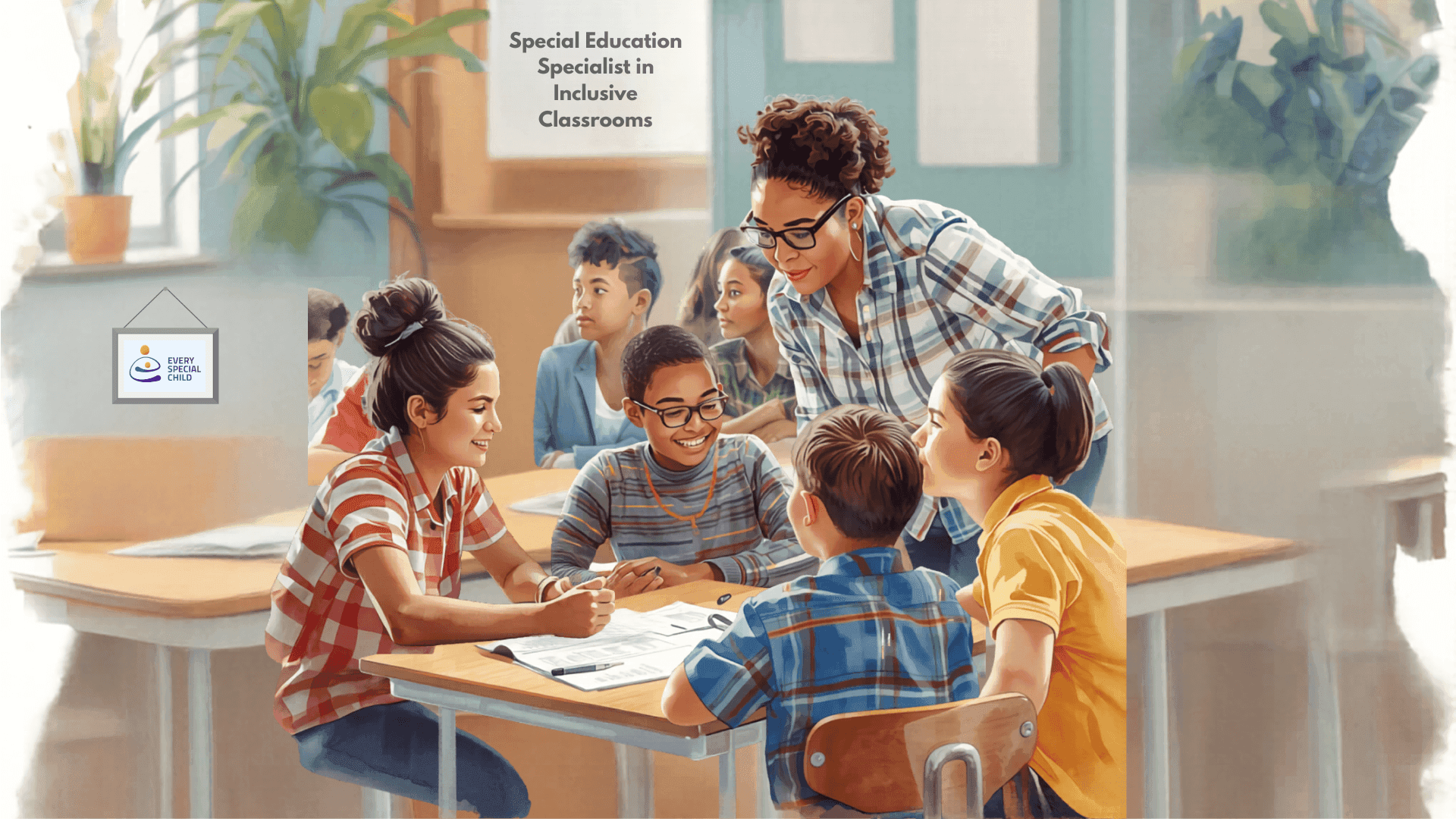
Special Education Specialist in Inclusive Classrooms: U.S. Education Guide
The role of a Special Education Specialist in inclusive classrooms has never been more important in U.S. schools.
As inclusive education becomes the standard—not the exception—students with disabilities are learning alongside their peers in general education settings. Understanding how a Special Education Specialist in inclusive classrooms supports students, teachers, and families is essential to creating equitable and successful learning environments. Apply Now
Why the Special Education Specialist in Inclusive Classrooms Matters
To understand the impact of a Special Education Specialist in inclusive classrooms, it’s important to recognize the diversity of today’s students.
Inclusive classrooms serve learners with a wide range of abilities, learning styles, and needs. Special education specialists ensure inclusion is not just physical placement—but meaningful participation and growth for every student. Read Another Blog
The Role of a Special Education Specialist in Inclusive Classrooms
A Special Education Specialist in inclusive classrooms provides targeted support while promoting collaboration and access to grade-level instruction.
Their responsibilities include:
- Supporting students with disabilities in general education settings
- Designing accommodations and modifications
- Monitoring progress toward IEP goals
- Collaborating with general education teachers
- Ensuring compliance with IDEA and Section 504
They act as both instructional experts and student advocates.
How a Special Education Specialist Supports Students in Inclusive Classrooms
1. Individualized Instruction Within the General Classroom
One of the most important functions of a Special Education Specialist in inclusive classrooms is adapting instruction without isolating students.
They provide:
- Small-group or push-in support
- Differentiated learning strategies
- Assistive technology tools
- Personalized learning supports
This allows students to learn alongside peers while receiving necessary accommodations. See More
2. Supporting Social and Emotional Development
Another critical role of a Special Education Specialist in inclusive classrooms is supporting emotional and social growth.
Specialists help students:
- Build confidence and self-advocacy skills
- Navigate peer relationships
- Manage behavioral challenges
- Feel included and valued
Emotional support is essential for long-term academic success.
Collaboration in Inclusive Classrooms
3. Co-Teaching and Teacher Collaboration
Effective inclusion depends on collaboration. A Special Education Specialist in inclusive classrooms works closely with general education teachers through:
- Co-teaching models
- Shared lesson planning
- Classroom strategy development
- Ongoing communication
This partnership strengthens instruction for all students.
4. Working With Families and Support Teams
A Special Education Specialist in inclusive classrooms also collaborates with:
- Parents and caregivers
- School psychologists and therapists
- Administrators and support staff
This team-based approach ensures consistency across learning environments.
Legal Responsibilities of a Special Education Specialist in Inclusive Classrooms
Compliance is a critical component of the Special Education Specialist in inclusive classrooms role.
Specialists ensure:
- IEPs are implemented in general education settings
- Accommodations are provided consistently
- Student rights under IDEA are protected
Legal compliance safeguards both students and schools.
Benefits of Inclusive Classrooms Supported by Specialists
When guided by a Special Education Specialist in inclusive classrooms, inclusive education benefits everyone.
Benefits for Students Include:
- Increased academic engagement
- Stronger social connections
- Improved confidence and independence
Benefits for Schools Include:
- More inclusive school culture
- Improved collaboration among staff
- Better student outcomes
Challenges Faced by Special Education Specialists in Inclusive Classrooms
Despite their impact, a Special Education Specialist in inclusive classrooms often faces challenges such as:
- Large caseloads
- Limited planning time
- Resource constraints
- Balancing multiple student needs
Overcoming these challenges requires strong support and collaboration.
FAQs:
What does a Special Education Specialist do in inclusive classrooms?
They provide individualized support, collaborate with teachers, and ensure IEP goals are met within general education settings.
Why is a Special Education Specialist important in inclusive classrooms?
They ensure students with disabilities receive meaningful access to instruction and appropriate accommodations.
How do Special Education Specialists support general education teachers?
They share strategies, assist with planning, and help manage diverse learning needs.
Are inclusive classrooms required in U.S. schools?
Yes. IDEA promotes educating students in the least restrictive environment whenever appropriate.
Do students benefit from inclusive classrooms?
Yes. Inclusive classrooms improve academic, social, and emotional outcomes when properly supported.
Final Thoughts:
A Special Education Specialist in inclusive classrooms is the key to making inclusion successful, equitable, and impactful in U.S. schools.
By combining expertise, collaboration, and advocacy, these professionals ensure students with disabilities are not just present—but thriving alongside their peers. Apply Now
Comments (…)