A Complete Guide to Starting a Career in Special Education
Becoming a Special Education Teacher is an opportunity to build a meaningful career while helping students with disabilities and diverse learning needs reach their full potential. These educators play an important role in creating inclusive classrooms, adapting instruction, supporting individual learning goals, and helping students develop academic, social, and life skills.
If you are exploring how to become a Special Education Teacher, understanding the required education, certification, state licensing process, and practical classroom skills is an important first step. Although requirements differ across states, most pathways involve completing an approved teacher preparation program, meeting state testing requirements, and obtaining the appropriate teaching license or credential Become a Special Education Teacher.
This guide explains the Special Education Teacher requirements, degree options, certification process, and steps to become a SPED Teacher in the United States. It also explores career opportunities and how aspiring educators can connect with employers through Every Special Child. Apply Now
What Does a Special Education Teacher Do?
A Special Education Teacher works with students who have disabilities or learning differences that affect their educational experience. These professionals adapt teaching methods, develop individualized learning strategies, and collaborate with families and other school specialists.
Their responsibilities may include:
- Developing and implementing Individualized Education Programs (IEPs).
- Adapting classroom lessons and instructional materials.
- Supporting students with autism, learning disabilities, intellectual disabilities, and other support needs.
- Monitoring academic, behavioral, and developmental progress.
- Working alongside related-service professionals and general education instructors.
- Communicating with parents and caregivers.
- Maintaining student records and required documentation.
For example, a teacher supporting a student with a reading disability might use structured literacy activities, visual supports, and additional practice opportunities. A teacher working with a student who has autism may incorporate predictable routines, communication supports, and individualized behavior strategies.
The exact responsibilities depend on the students, school setting, grade level, and type of special education program Become a Special Education Teacher.
Special Education Teacher Requirements in the United States
The Special Education Teacher requirements are established primarily by state education agencies. While the details vary, several common qualifications are part of the traditional pathway.
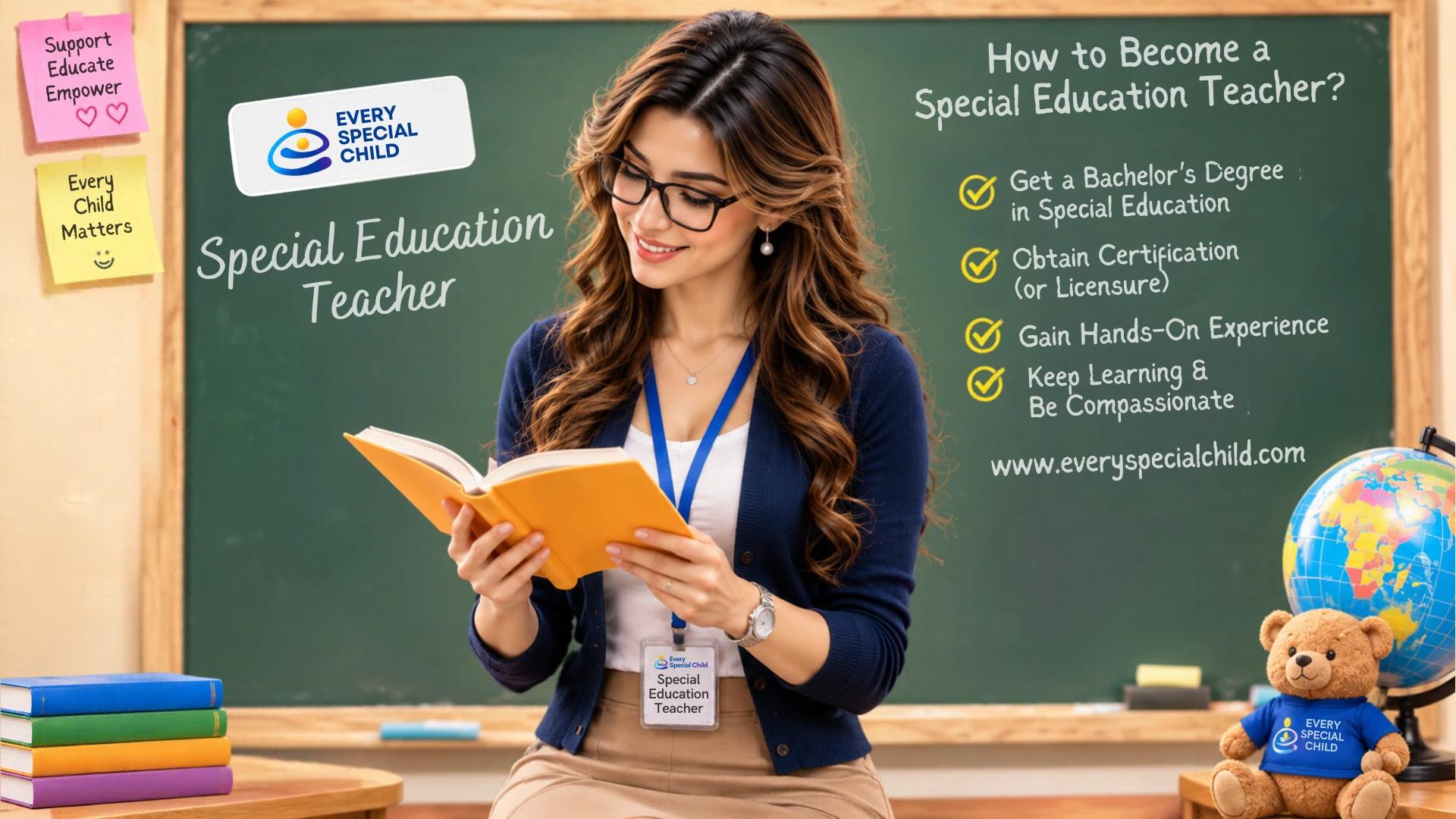
1. Complete a Bachelor’s Degree
A bachelor’s degree is a common starting point for individuals pursuing a licensed Special Education Teacher position.
Students may choose a degree in:
- Special Education.
- Elementary Education with a special education concentration.
- Secondary Education with special education preparation.
- Another approved education-related program that includes the required teacher preparation coursework.
Some states require candidates to complete a state-approved teacher preparation program. If your degree is in a different subject, an alternative certification or post-baccalaureate pathway may be available. See More Other
2. Complete a Teacher Preparation Program
Teacher preparation programs help candidates develop the instructional knowledge and practical skills needed for classroom teaching.
Coursework may cover:
- Child and adolescent development.
- Inclusive education practices.
- Classroom management.
- Assessment and instructional planning.
- Disability awareness and support strategies.
- IEP development and implementation.
- Differentiated instruction.
- Collaboration with families and school professionals.
Many programs also include supervised classroom experience or student teaching Become a Special Education Teacher .
3. Gain Classroom Experience
Practical experience is valuable for aspiring special education educators. Student teaching, internships, classroom observations, and supervised fieldwork can help candidates understand the daily responsibilities of the profession.
For example, an aspiring teacher may observe how an experienced educator adapts a mathematics lesson for students with different learning needs. They may also gain experience preparing instructional materials, supporting classroom routines, and tracking student progress.
Some candidates begin in related positions, such as paraprofessional or teaching assistant roles, to gain exposure to school environments. However, these positions do not automatically qualify someone to work as a licensed Special Education Teacher.
4. Meet State Testing and Background Requirements
Depending on the state, candidates may need to pass basic skills examinations, subject-area assessments, or professional teaching tests.
A criminal background check and fingerprint clearance are also common requirements for school employment and educator licensure.
Check the relevant state education agency for the latest requirements before enrolling in a program or applying for a license Become a Special Education Teacher.
Special Education Teacher Degree Requirements
Degree requirements depend on the state, employer, and type of teaching position.
A bachelor’s degree is generally the standard educational foundation for traditional licensed teaching roles. Some states and employers may have additional requirements related to subject preparation, special education coursework, or graduate education.
A master’s degree is not universally required to Become a Special Education Teacher. However, it may be useful for educators who want to expand their expertise, qualify for certain positions, or pursue career advancement.
Potential areas of graduate study include:
- Special Education.
- Autism Spectrum Disorder education.
- Learning disabilities.
- Applied behavior analysis.
- Inclusive education.
- Educational leadership.
- Curriculum and instruction.
Before choosing a degree, compare its coursework with the licensing requirements in the state where you plan to teach. This can help you avoid completing a program that does not satisfy your intended state’s requirements Become a Special Education Teacher.
Special Education Teacher Certification: How Does It Work?
Become a Special Education Teacher certification demonstrates that an educator has met the professional requirements established by a state or recognized certification body.
For public school teaching, candidates generally need an appropriate state-issued teaching license or credential with a special education endorsement or authorization.
The certification process commonly includes:
- Finishing a recognized bachelor’s program or eligible educational route.
- Finishing required teacher preparation coursework.
- Completing supervised teaching experience when required.
- Passing applicable state examinations.
- Completing background checks and fingerprinting.
- Submitting an application and supporting documents to the state licensing agency.
Some states offer alternative routes for career changers or candidates who already hold a bachelor’s degree. These pathways may allow candidates to complete specific preparation requirements while working toward full licensure.
It is important to distinguish between a state teaching license, a special education endorsement, and optional professional certifications. They serve different purposes and are not automatically interchangeable Become a Special Education Teacher.
Special Education Teacher License by State
There is no single national Become a Special Education Teacher license that automatically authorizes someone to teach in every state. Each state establishes its own educator licensing system, including approved preparation programs, examinations, endorsements, and renewal requirements.
Here are examples of what candidates should investigate:
California
California candidates should review the California Commission on Teacher Credentialing requirements. The Education Specialist Instruction Credential is an important credential pathway for teaching students with disabilities. Candidates should confirm the appropriate specialty area and current preparation requirements.
Texas
Texas candidates should review the Texas Education Agency’s certification requirements. The state has specific educator preparation and examination pathways, including requirements relevant to special education teaching assignments.
New York
New York candidates should consult the New York State Education Department’s certification system. Requirements can depend on the certificate type, grade level, subject area, and preparation route.
Florida
Florida candidates should review the Florida Department of Education’s educator certification requirements. The state provides certification pathways and subject-area requirements for educators seeking special education positions.
New Jersey
New Jersey candidates should consult the New Jersey Department of Education for endorsement and certification requirements. The appropriate credential depends on the teaching assignment and candidate qualifications.
Important: These are examples, not a complete list of state requirements. Always verify current eligibility, examinations, and application procedures directly with the relevant state education agency Become a Special Education Teacher. See More
Steps to Become a Special Education Teacher
If you are planning your career, following a clear sequence can make the process easier to manage.
Step 1: Research the Profession
Learn about the responsibilities, classroom environments, and student populations associated with special education. Consider whether you are interested in early childhood, elementary, middle school, or high school education.
Step 2: Choose an Appropriate Degree Program
Find a bachelor’s degree or alternative preparation pathway that meets the requirements of your intended state. Confirm that the program includes the necessary special education coursework and supervised experience.
Step 3: Complete Fieldwork or Student Teaching
Use practical experience to develop instructional skills, understand IEP processes, and learn how educators collaborate with school teams.
Step 4: Complete Examinations and Licensing Requirements
Review your state’s testing, background check, documentation, and application procedures. Keep copies of transcripts, examination results, and other required records.
Step 5: Apply for Your Teaching Credential
Submit your application through the appropriate state licensing authority. Follow the agency’s instructions regarding endorsements, additional documents, and any outstanding requirements.
Step 6: Prepare Your Resume and Apply for Jobs
Highlight your degree, credentials, classroom experience, student teaching, and relevant professional development.
You can explore Become a Special Education Teacher job opportunities through Every Special Child to learn about available school-based positions and employment opportunities.
Skills Every Successful Special Education Teacher Should Develop
Meeting educational and licensing requirements is essential, but effective teaching also depends on practical professional skills.
Communication
Teachers need to communicate clearly with students, parents, administrators, and multidisciplinary teams. Strong communication supports collaboration and helps families understand student progress.
Patience and Adaptability
Students learn in different ways and at different rates. Become a Special Education Teacher should be prepared to adjust lessons, routines, and support strategies according to individual needs.
Classroom Management
Positive classroom management helps create a structured and supportive learning environment. Teachers may use visual schedules, clear expectations, reinforcement strategies, and individualized behavior supports.
IEP Knowledge
Understanding how to develop, implement, and monitor IEP goals is a core professional responsibility in many special education positions.
Collaboration
Special Education Teachers often work with speech-language pathologists, occupational therapists, school psychologists, behavior specialists, general education teachers, and families.
For example, a teacher may collaborate with a speech-language pathologist to incorporate communication strategies into everyday classroom activities.
Special Education Teacher Career Path and Job Opportunities
A career in special education can develop in several directions. Educators may begin as classroom teachers and later pursue specialized instructional or leadership positions.
Potential career paths include:
- Special Education Teacher.
- Autism Support Teacher.
- Learning Disabilities Teacher.
- Inclusion Specialist.
- Behavior Support Specialist.
- Transition Specialist.
- Special Education Program Coordinator.
- Special Education Administrator.
Career progression depends on qualifications, experience, state requirements, and employer policies.
Every Special Child connects schools with qualified education professionals across the United States. Its special education job listings include opportunities for Become a Special Education Teacher and related professionals.
For example, an educator interested in school-based work may find a position involving IEP development, differentiated instruction, progress monitoring, and collaboration with therapists and support staff. These are examples of responsibilities described in special education job listings on the Every Special Child website.
Candidates who want to discuss their career interests can also use the Every Special Child quick application to share their qualifications and employment preferences with the recruitment team.
How Every Special Child Can Help You Explore Special Education Careers
Finding the right position after completing your education and certification requirements is an important part of starting your teaching career.
Every Special Child works with public, private, and charter schools to connect education professionals with employment opportunities. Depending on the role and employer, opportunities may include full-time, part-time, short-term, long-term, contract-based, and permanent placements.
The website features job categories for Become a Special Education Teacher, paraprofessionals, speech-language pathologists, school psychologists, occupational therapists, and other school professionals.
If you are ready to explore your next step, browse current education and special education jobs or submit your details through the online application form.
FAQs
1. What qualifications do you need to become a Special Education Teacher?
Most traditional public school pathways require a bachelor’s degree, an approved teacher preparation program, and a state-issued teaching license or credential with the appropriate special education authorization. Additional testing and background checks may also be required.
2. How many years does it take to become a Special Education Teacher?
A traditional pathway often takes around four years to complete a bachelor’s degree, followed by any remaining licensing or certification requirements. Alternative pathways may have different timelines depending on previous education and state rules.
3. Can I become a Special Education Teacher without a degree in special education?
Possibly. Some states offer alternative certification routes for candidates with bachelor’s degrees in other subjects. However, candidates must still meet the applicable teacher preparation, testing, and licensing requirements.
4. Is a master’s degree required to become a SPED Teacher?
A master’s degree is not universally required. Many candidates qualify through a bachelor’s degree and an approved preparation pathway. Some employers or career advancement opportunities may favor or require additional graduate education.
5. Do Special Education Teachers need a license in every state?
Teachers generally need to meet the licensing requirements of the state where they work. A license from one state may not automatically authorize teaching in another, although interstate reciprocity arrangements can sometimes simplify the process.
6. Can I work as a paraprofessional before becoming a Special Education Teacher?
Yes. Paraprofessional and teaching assistant positions can provide valuable school-based experience. However, these roles have separate qualification requirements and do not replace the credentials needed for a licensed teaching position.
7. Where can I find Special Education Teacher jobs after certification?
You can explore school-based opportunities through district career pages and education recruitment platforms. Every Special Child also lists Special Education Teacher job opportunities and provides an online application option for interested candidates.
Conclusion
Learning how to Become a Special Education Teacher involves understanding degree requirements, completing an approved teacher preparation program, gaining practical experience, and meeting state licensing standards. Although the exact process varies across the United States, careful planning can help you move from aspiring educator to qualified teaching professional.
Beyond certification, developing communication, collaboration, classroom management, and individualized instruction skills can prepare you for the daily responsibilities of the profession.
Once you meet the necessary qualifications, the next step is finding a position that matches your interests and professional goals. Explore the opportunities available through Every Special Child, review relevant job listings, and take the next step toward a rewarding career supporting students with diverse learning needs.

Comments (…)