Special Education Resource Teacher: Job Description, Requirements, Salary, and Career Opportunities
Subtitle: Discover what a Special Education Resource Teacher does, explore job responsibilities and certification requirements, understand salary factors, and learn how to pursue rewarding resource teacher careers across the United States.
Every student deserves the opportunity to learn, grow, and reach their potential. However, some students need additional instructional support to overcome learning challenges and participate confidently in the classroom. This is where a Special Education Resource Teacher makes a meaningful difference. These educators help students with disabilities develop academic skills, build independence, and access educational opportunities tailored to their individual needs. Whether you are an aspiring educator, a general education teacher considering a career transition, or an experienced professional exploring new opportunities, understanding this role can help you make informed career decisions. From daily responsibilities and qualifications to salary considerations and career advancement, this guide explains what you need to know about becoming a Special Education Resource Teacher in the United States.
What Is a Special Education Resource Teacher?
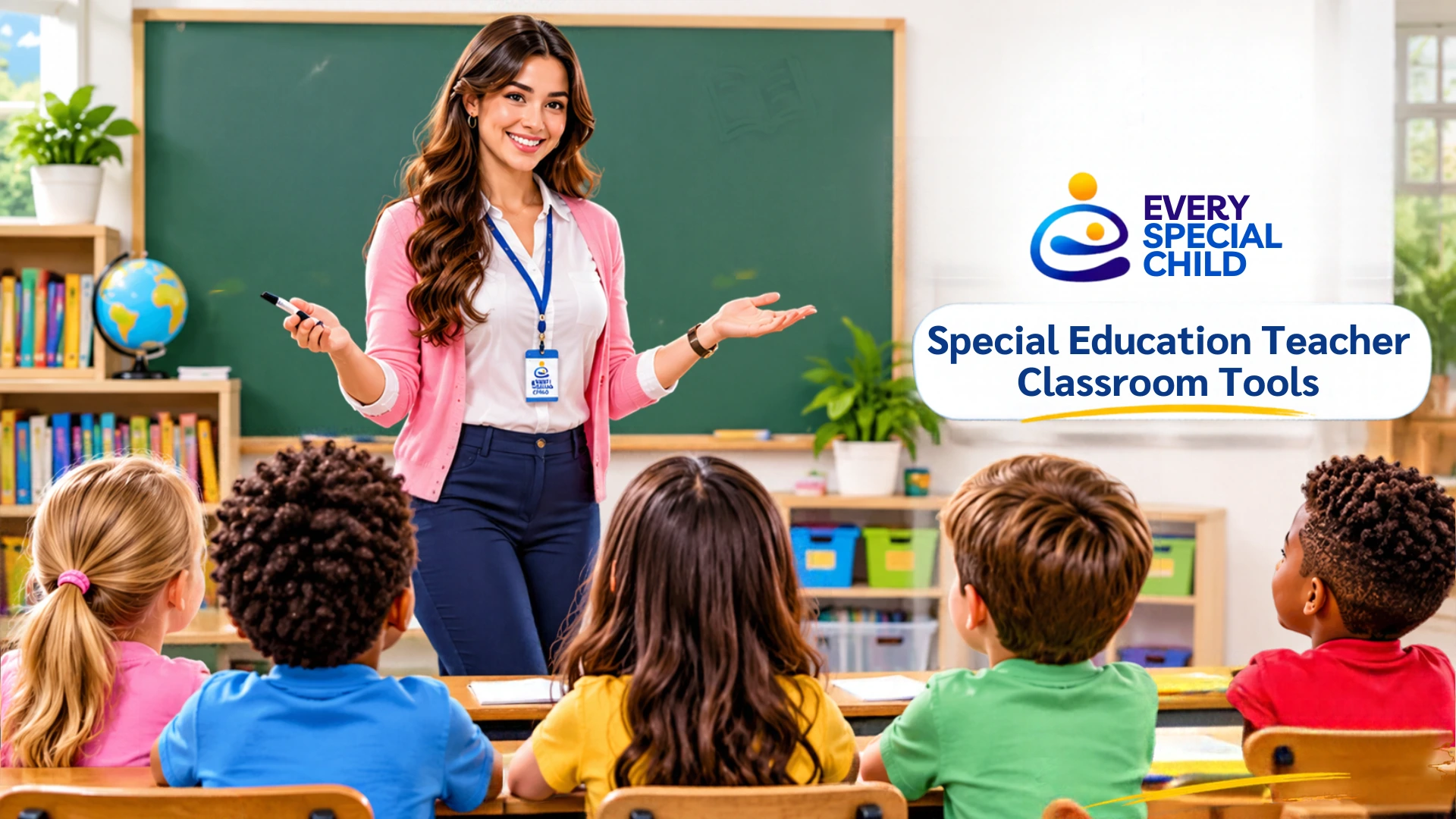
An educator who offers kids with disabilities specific instruction and extra learning support is known as a special education resource teacher. These educators frequently work with students who attend general education classes for the most of the school day but need specialized instruction or supports to advance academically.
Depending on the school and student needs, resource teachers may provide individual instruction, teach small groups, work alongside general education teachers, or help adapt classroom lessons and learning materials.
Their work can support students with learning disabilities, autism, language-based learning difficulties, and other disabilities for which special education services are appropriate. Instruction and support should reflect each student’s Individualized Education Program (IEP), when applicable, and the student’s individual learning needs.
How Is a Resource Teacher Different From a General Education Teacher?
General education teachers typically deliver the standard curriculum to a classroom of students. A resource teacher focuses on specialized instruction, individualized learning strategies, accommodations, and other supports that help eligible students access their education.
For example, a resource teacher might help a student strengthen reading comprehension, organize written assignments, improve mathematics skills, or develop strategies for completing classroom tasks independently.
Both teachers can work together to adapt instruction, monitor progress, and support participation in inclusive learning environments. Their shared goal is to help students learn effectively while recognizing their strengths and individual needs.
Resource Specialist Teacher Responsibilities
The Resource Specialist Teacher’s responsibilities extend beyond providing extra academic instruction. Resource teachers often collaborate with school teams, review student progress, and help coordinate educational support.
1. Provide Individualized and Small-Group Instruction
One of the main responsibilities of a resource teacher is delivering instruction that addresses specific learning needs.
Depending on the student’s goals, lessons may focus on reading, writing, mathematics, organization, study strategies, or other academic skills. Teachers may use visual aids, guided practice, structured activities, and differentiated materials to make learning more accessible.
The instructional approach should be adjusted when students need additional practice or a different way to understand a concept.
2. Support Individualized Education Programs
A student’s educational objectives, services, accommodations, and other necessary assistance are outlined in an Individualized Education Program.
Resource teachers may contribute to IEP development and implementation, collect progress information, communicate with team members, and adjust instruction according to the student’s needs and documented goals.
Their specific responsibilities depend on their role, the school’s procedures, and applicable special education requirements.
3. Collaborate With General Education Teachers
Successful special education services often depend on effective teamwork.
Resource teachers may help classroom teachers adapt assignments, break complex tasks into manageable steps, provide additional practice, and identify appropriate instructional accommodations.
Regular communication helps teachers maintain consistent expectations and support students across different learning environments.
4. Communicate With Families and School Professionals
Parents and guardians can provide valuable insight into a student’s strengths, interests, and learning experiences.
Resource teachers may discuss progress, explain classroom strategies, participate in meetings, and work with families to support educational goals. They may also collaborate with school psychologists, speech-language pathologists, occupational therapists, counselors, and administrators when appropriate.
5. Monitor Progress and Maintain Records
Resource teachers use student work, assessments, classroom observations, and other relevant information to understand how well instructional strategies are working.
They may document progress toward IEP goals, maintain student records, and communicate relevant information to the appropriate school team members.
Accurate documentation and appropriate confidentiality practices are essential parts of the role.
Resource Room Teacher Job Description: Daily Duties
A typical Resource Room Teacher job description includes lesson planning, individualized instruction, collaboration, progress monitoring, and administrative responsibilities.
Daily activities vary by grade level, school district, caseload, and program model.
Common duties include:
- Reviewing student learning goals and planning appropriate lessons.
- Teaching reading, writing, mathematics, and other targeted academic skills.
- Preparing differentiated materials and accessible assignments.
- Providing individual or small-group instruction.
- Collaborating with general education teachers about classroom accommodations.
- Monitoring student progress and maintaining accurate records.
- Interacting with families and taking part in IEP meetings.
- Coordinating with related-service professionals when appropriate.
- Encouraging student independence, confidence, and participation.
Some positions focus primarily on instruction in a resource room, while others emphasize co-teaching, classroom consultation, or support within inclusive settings. Applicants should carefully review the job description to understand the expected responsibilities.
Special Education Resource Teacher Requirements
The Special Education Resource Teacher requirements depend on the state, employer, and type of position. Traditional public-school teaching roles generally require a bachelor’s degree, completion of an approved teacher preparation pathway, and the appropriate state teaching credential or license.
Additional special education authorization may be necessary.
Education and Teacher Preparation
Many aspiring resource teachers pursue a degree in special education. Other candidates may complete a different bachelor’s degree followed by an approved educator preparation program.
Teacher preparation may cover:
- Child development and learning differences.
- Instructional planning and differentiated teaching.
- Assessment and progress monitoring.
- Classroom management and positive behavior strategies.
- Inclusive education and special education law.
- Collaboration with families and educational professionals.
Approved preparation programs commonly include supervised classroom experience or student teaching. Candidates who already hold a degree may have access to alternative preparation pathways, depending on their state.
Resource Specialist Teacher Certification
Resource Specialist Teacher certification requirements are not identical across the United States. Each state establishes its own licensing system, preparation requirements, examinations, and special education authorizations.
California, for example, uses the Resource Specialist Program model, and applicable credential requirements are administered by the California Commission on Teacher Credentialing. Other states may use different job titles or endorsement categories for comparable positions.
Before applying for a job or enrolling in a training program, prospective teachers should:
- Identify the appropriate education agency for their state.
- Review degree and teacher preparation requirements.
- Confirm whether examinations or background checks are required.
- Determine which special education authorization applies to the position.
- Check how existing credentials will be evaluated when relocating from another state.
A credential that qualifies you for one position or state does not automatically guarantee eligibility for every resource teaching role.
Special Education Resource Teacher Qualifications and Skills
Credentials establish eligibility, but effective resource teaching also requires strong instructional, organizational, and interpersonal skills.
Important Special Education Resource Teacher qualifications include:
- Individualized instruction: Adapting teaching methods to different learning needs.
- Communication: Explaining strategies clearly to students, families, and colleagues.
- Patience and flexibility: Adjusting instruction when a student needs additional support.
- Organization: Managing lesson plans, records, meetings, and deadlines.
- Assessment skills: Using student performance information to guide instruction.
- Collaboration: Working effectively with general education teachers and related-service professionals.
- Empathy and respect: Recognizing student strengths and encouraging independence.
Experience with assistive technology, differentiated instruction, progress monitoring, and positive behavioral supports may also be valuable, depending on the position.
Special Education Resource Teacher Salary in the United States
The Special Education Resource Teacher salary varies according to location, qualifications, years of experience, employer, and the applicable salary schedule.
Public school districts may use structured pay scales that account for teaching experience, graduate education, and approved additional coursework. Private schools and other educational employers may have different compensation arrangements.
Federal wage data generally groups resource teachers within broader special education teacher categories, so it may not provide a separate national salary figure specifically for resource teachers.
When evaluating an opportunity, consider:
- The advertised salary range.
- The employer’s current salary schedule.
- Pay increases associated with qualifying experience or education.
- Contract length and employment status.
- Health insurance, retirement benefits, and paid leave.
- Professional development opportunities.
- Local housing, transportation, and other living expenses.
Compare the complete compensation package rather than salary alone. A position with a higher annual salary may not provide the best overall value if living expenses are significantly higher or working conditions do not meet your needs.
Special Education Resource Teacher Jobs: Where to Find Opportunities
Candidates searching for Special Education Resource Teacher jobs can explore public school districts, charter schools, private schools, and specialized educational programs.
Available vacancies depend on local staffing needs, school enrollment, student support requirements, and the qualifications needed for each role.
Practical Job-Search Strategies
Search using related job titles. Try terms such as Special Education Resource Teacher, Resource Specialist Teacher, Resource Room Teacher, and Special Education Teacher. Include your preferred city or state to narrow the results.
Check school district career pages. District websites often provide current vacancies, application instructions, salary schedules, and credential requirements.
Prepare a targeted résumé. Highlight relevant teaching credentials, student teaching experience, IEP-related responsibilities, differentiated instruction, progress monitoring, and collaboration. Include only skills and experience you genuinely possess.
Prepare for interviews. Be ready to discuss how you adapt lessons, support students who are struggling, monitor progress, and collaborate with families and colleagues.
Review the actual service model. Confirm whether the position involves resource-room teaching, co-teaching, classroom consultation, or a specialized program. These differences can affect your daily workload and responsibilities.
Special Education Resource Teacher Career Opportunities
The Special Education Resource Teacher career opportunities available to you may expand as you gain classroom experience, pursue additional qualifications, and develop specialized expertise.
Potential career directions include:
- Lead or mentor special education teacher.
- Special education program coordinator.
- Instructional coach or professional development specialist.
- Special education department lead.
- School administrator, subject to additional requirements.
- Specialist in areas such as assistive technology, autism support, or transition planning.
Some advancement opportunities require a master’s degree, an additional credential, administrative preparation, or other state-specific qualifications.
Continuing professional development can help you strengthen your teaching practices, learn new instructional approaches, and identify career paths that match your interests.
How to Succeed as a Special Education Resource Teacher
Successful resource teaching involves more than helping students complete assignments. It requires understanding individual learning needs, identifying barriers, and selecting strategies that encourage meaningful progress.
Start by learning each student’s educational goals, strengths, and preferred ways of learning. Set clear expectations, monitor progress consistently, and adjust instruction when students need a different approach.
Maintain regular communication with colleagues and families, protect confidential information, and encourage students to become increasingly independent.
Progress may appear in different ways, including improved reading skills, stronger organization, greater classroom participation, increased confidence, or better self-advocacy. Recognizing these developments helps create a supportive learning environment in which students can build on their strengths.
FAQs
1. What does a Special Education Resource Teacher do?
A Special Education Resource Teacher provides specialized instruction and additional learning support to students with disabilities. Duties may include supporting IEP goals, teaching targeted academic skills, adapting learning materials, monitoring progress, and collaborating with families and other educators.
2. What qualifications are needed to become a resource teacher?
Most traditional public-school positions require a bachelor’s degree, an approved teacher preparation pathway, and the appropriate state teaching credential or license. Additional special education authorization may be required, depending on the position and state.
3. Is a resource teacher the same as a special education teacher?
A resource teacher is generally a type of special education teacher. Resource teachers often focus on targeted instruction, resource-room services, small-group teaching, and collaboration with general education teachers. Specific responsibilities vary by school and state.
4. What is the average Special Education Resource Teacher salary?
There is no single salary that applies to all resource teachers nationwide. Compensation depends on location, education, experience, employer, and contract terms. Review local job postings and school district salary schedules for the most relevant information.
5. How do I obtain Resource Specialist Teacher certification?
Begin by checking the official education agency in the state where you want to work. Review the required degree, approved preparation program, examinations, and application process. California applicants should consult the California Commission on Teacher Credentialing for applicable requirements.
6. Where can I find Special Education Resource Teacher jobs?
Search official school district career pages, state education job boards, charter school websites, private school recruitment pages, and reputable education employment platforms. Use related job titles and verify each position’s credential requirements.
7. What career opportunities are available for resource teachers?
Experienced resource teachers may pursue mentoring, lead teaching, instructional coaching, special education coordination, program leadership, or school administration. Some paths require additional education, experience, or credentials.
Conclusion
A Special Education Resource Teacher helps students with disabilities access meaningful learning opportunities, develop essential skills, and build greater independence. The position combines individualized instruction, collaboration, progress monitoring, and a commitment to helping every student make progress.
If you are considering this career, begin by reviewing your state’s credential requirements, exploring approved teacher preparation programs, and researching local job descriptions and salary schedules. As you gain experience, continued professional development can help you strengthen your skills and explore new career opportunities.
For educators who value patience, creativity, collaboration, and student growth, resource teaching can offer a rewarding way to contribute to inclusive education and make a lasting difference in students’ lives.
Comments (…)